


Die Casting
Your Leading Die Casting Supplier
Shenzhen Huazheng Precision Technology Co., Ltd.was founded in 2005 as a professional CNC machining manufacturer. The factory covers an area of 2000㎡and we have over 60 employees.
Why Choose Us?
High quality
We have multi-layer inspection process and more than 4 inspectors to check the quality of products and we can provide inspection report to ensure your custom parts are full checked.
Competitive Price
We offering a higher-quality product or service at an equivalent price. As a result we have a growing and loyal customer base.
Rich experience
We have an experienced technical team with more than 10 years of experience.
Customized services
We can provide one-stop service to fulfill your whole project, including various surface treatment, die casting, sheet metal and assembly service as well.


Product Categories


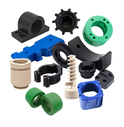

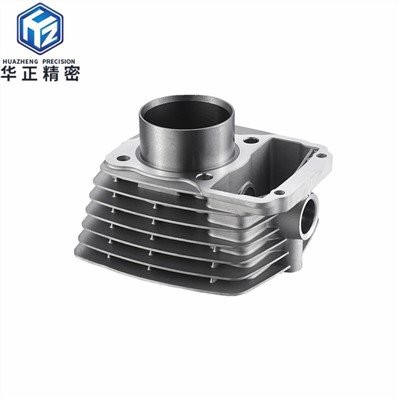
Die casting is a metal casting process that is characterized by forcing molten metal under high pressure into a mold cavity. The mold cavity is created using two hardened tool steel dies which have been machined into shape and work similarly to an injection mold during the process. Most die castings are made from non-ferrous metals, specifically zinc, copper, aluminium, magnesium, lead, pewter, and tin-based alloys. Depending on the type of metal being cast, a hot- or cold-chamber machine is used.
Benefits of Die Casting
Efficiency
Once your die has been created it can be used time and time again. Allowing you to quickly create hundreds, thousands – even millions – of individual parts to the exact same specification.
Repeatability
Yes, mass production is important – but even more crucial? Consistency. And die casting is favoured for its precision and repeatable results, essential for many metal parts.
Cost-effective
Speed, accuracy and minimal wastage all help die casting to offer a cost-effective method of mass producing metal parts.
Flexibility
Made specifically to your requirements, die casting can be stunningly simple or incredibly intricate and complex. This design flexibility is why the process is used for such a wide range of parts and across so many industries.
Finishing options
Whilst it’s not always required, the option of finishing as part of the die casting process, means you can further customise and hone the look of your final product. It can involve anything from adding a decorative touch to enhancing chemical resistance and is the final step in ensuring your finished part more than meets specification.
Types of Die Casting
1.Hot chamber
Hot chamber die casting uses alloys with a low melting temperature. Dies have two sections – movable and fixed. The fixed half is the covered die and is mounted on a stationary platen aligned with the gooseneck that connects to the chamber for inserting the molten metal. The movable die is the ejector die.
Molten metal is held in an open holding pot that is connected to the combustion area or furnace from which the molten metal enters the holding pot. With the plunger, that drives the molten metal up the gooseneck into the mold, in the up position the molten metal flows into the shot chamber. Once the metal is present, the plunger moves down forcing the molten metal up the gooseneck into the die.
2.Cold chamber
Cold chamber refers to the temperature of the chamber when the molten metal is introduced. With hot chamber casting, the chamber is filled with molten metal prior to beginning the casting process. In the cold chamber process, the chamber is at room temperature before the molten metal is poured.
High melting temperature metal alloys are used for cold chambered die casting. The molten metal is heated in a separate furnace and ladled or poured through a pouring hole into the shot chamber that encloses a ram for pushing the molten metal into the die. The parts of the die are the same with movable and fixed sections. The cold chambered method forces the molten metal in vertically.
1.Construction – Because of their strength and lightweight, aluminum metal castings are used to manufacture window frames, roof superstructures, and building frames. Residential and commercial buildings, bridges, and skyscrapers are now made with a variety of die cast parts.
2.Health care – Die cast parts are used to manufacture complex medical devices such as ultrasound systems, pacemakers, dialysis equipment, medical robots, monitoring devices, and hospital bed gearboxes.
3.Energy – The oil and gas sectors are dependent on die casting components to produce piping, drilling machinery, valves, flow controls, filtration devices, impellers, and more. The renewable energy sector utilizes a range of die cast components such as wind turbine blades and solar panel brackets.
4.Electronics – The rapid pace of innovation in the consumer electronics industry requires a constant supply of flexible, light, heat resistant, and highly durable precision parts. The electronics industry incorporates die cast components in everything from 5G base-station housings to smart phones to drones to personal computers and home appliances.
5.Culinary – Cast iron and stainless-steel castings are ubiquitous in the culinary industry. Products such as stainless steel and cast-iron pans, skillets, and ovens are used by both the average consumer as well as the restaurant industry. Because it is resistant to bacteria, heat and chemicals, stainless-steel precision casting is widely used for heavy machinery in the food processing sector.
6.Mining – Die cast metal components are used in mining and mineral processing equipment such as excavators, drills, draglines, crushers, and specialized heavy-duty vehicles.
7.Paper – Paper mills rely on a range of machinery made with die cast components. These include heads used in paper machine dryers, pulleys, gears, and housings.
8.Furniture – Die cast aluminum parts can be precision made cheaply from recycled materials, have no joints, can be powder-coated, and feature parts with many integrated functions. This makes them ideal for furniture manufacturers.
9.Mechanical and plant engineering – High-precision manufacturing processes are only possible with the use of large-scale die cast industrial products such as machine tools, conveyors, pumps, lifting equipment, and compressors.
10.Aerospace – As with the automotive industry, the aerospace sector requires lightweight, high tensile structural components and complex parts. The use of magnesium and aluminum die casting allows aerospace manufacturers to build lighter and more fuel-efficient aircraft.
Plunger: It is a device to push molten metal into the pressure chamber.
Pressure chamber: Here the pressure of the molten metal increases before it enters the cavity through the sprue.
Sprue: It is a channel that lets the molten metal flow in the cavity in the specified direction.
Cover and ejector die: The die casting requires two dies, the ‘cover die’ and the ‘ejector die’. The intersection of these two dies creates a line known as the ‘parting line’. The cover die includes the sprue, whereas the ejector die contains the ejector pins and, typically, the runner, which connects the sprue to the mould cavity.
Ejector pins: These pins assist in drawing the casted part out of the mould.

Process Of Die Casting
Preparing The Die: The first step is to create the die. Dies are typically made from steel and are designed to endure high temperatures and pressures. The mold design starts with a CAD (computer-aided design) drawing of the mold. This file is used to make the mold using CNC (computer numerical control) machining. After the die is made, it is prepared with a releasing agent or lubricant. This helps release the cast part. The die is then clamped and closed with high pressure.
Metal Preparation: In the next step, the metal is prepared for the injection process. The metal, typically an aluminum, zinc, or magnesium alloy, is melted using a furnace and poured in a ladle.
Metal Injection: The molten metal is poured into the shot chamber. This chamber is hot for hot-chamber die casting and cold for cold-chamber die casting. After that, the molten metal is injected into the die using high pressure.
Cooling: The mold is allowed to cool and solidify into the shape of the mold.
Ejection: After cooling, the part will be hard and completely solid and can be removed from the die.
Trimming: The final step of die casting is the trimming step. This involves removing any excess metal found on the product. This is done by using a saw or trim die.
How to Maintain Die Casting
Implementing the following best practices can significantly extend the life of die cast tooling:
Proper maintenance
Regular cleaning, lubrication, and inspection of dies and molds are essential to prevent buildup of debris, corrosion, and premature wear.
Optimized casting parameters
Fine-tuning casting parameters, such as temperature, pressure, and cycle times, helps minimize stress on the tooling and prolongs its lifespan.
Die coatings
Applying specialized coatings, such as PVD or DLC coatings, to die surfaces can enhance wear resistance, reduce friction, and extend tooling life.
Material selection
Choosing high-quality tool steels or alternative materials with superior wear resistance and thermal conductivity can improve tooling longevity.
Cooling systems
Efficient cooling systems, including water channels and spray cooling, help maintain optimal operating temperatures, reducing thermal fatigue and extending tooling life.
Die design optimization
Optimizing die design to minimize stress concentrations, eliminate sharp corners, and distribute material flow evenly can mitigate wear and prolong tooling life.
Limitations and Challenges of Die Casting
Metal die casting also has a few limitations that can determine whether you use it or not. This section will introduce the limitations, and how to get around them.
Applicable only to non-ferrous metals
It is only suitable for non-ferrous metals with moderate optimal melting points like aluminum, zinc, and magnesium. Ferrous metals like steel and iron have higher melting points that require special equipment to cast them.
High die costs
Die molds incur a high manufacturing cost because CNC machining is a high-volume production process and making a die mold is sometimes a single process. Furthermore, the cost is higher when dealing with complex parts and using steel
Susceptibility to defects
Depending on die casting types and variations, parts are susceptible to defects such as porosity, shrinkage, and surface imperfection. For example, air entrapment occurs in high pressure casting, and can form pores on the part surface. The pores can form blisters during heat treatment and addressing these defects can lead to a higher manufacturing cost due to the extra surface finishing procedure.
Unsuitability for small projects
It has a high initial investment cost including set-up cost, mold manufacturing, etc. To get a low cost per unit part, mass production is encouraged. Consequently, the casting process is unsuitable for small-scale projects and one-off part production.
How Do You Design a Mold for Die Casting?
When designing molds for use in die casting, it is important to consider factors such as wall thickness, draft angles, and the placement of gates and runners. You should also factor in the material being used and any specific requirements for strength, durability, or resistance. Here are a few tips for designing a mold for die casting.
Draft angles:A draft angle is necessary to enable a cast to be removed from the mold without damaging it. Typically, a draft angle of one to three degrees is recommended.
Wall thickness: The wall thickness of a die-cast part should be uniform and appropriate for the intended application. Thick sections may cause porosity and shrinkage, while thin sections may cause warpage or distortion.
Avoid sharp corners: Sharp corners can cause stress concentrations and cracking, so it is best to design parts with rounded edges.
Undercuts: Undercuts can cause difficulty in ejecting the casting from the mold, meaning they should be minimized or avoided.
Parting line: The parting line is the boundary where the two halves of the mold meet. It is important to design the parting line so that it does not interfere with any critical features of the part.
Gate design:The location and design of the gate, through which the molten metal is poured into the mold, can affect the quality of the cast. The gate should be located in such a way that allows for even filling and minimal turbulence.
Ejector pin placement:Ejector pins are used to remove a cast from a mold. Careful placement will allow you to avoid damaging a final part.
Surface finish:The surface finish of the cast is affected by the mold’s surface finish. A smooth surface finish can help minimize surface defects and improve a part’s appearance.

The various types of die casting processes are:
Gravity or low-pressure die casting: Lower complexity parts with thicker sections can be low-pressure cast by gravity-fed (even hand-ladled) fill, reducing equipment complexity and tooling cost. This is best suited to aluminum parts that are circular and symmetric.
Pressure die casting: Finer and more complex parts generally require the charge to be pushed in at high pressure, to fully fill/form all features.
Vacuum die casting: The tool is placed above the molten reservoir and draws up the charge by a vacuum applied to the cavity. This process leads to lower porosity and lower turbulence. Parts made in this way are well suited to heat treatment processes, after casting.
Squeeze die casting: Typical for higher-viscosity melts, this process fills the tool and then squeezes it closed, forcing the fill into the smaller cavity areas that otherwise would not typically fill easily.
Semisolid die casting: This process, also called thixoforming, heats the shot (made of small pieces) to the liquid-solid phase transition temperature (thixotropic state) and this is then pressure fed into the cavity. The lower operating temperature reduces processing times and allows higher accuracy, as the bulk of the melt expansion occurs at or soon after phase change, so shrinkage is reduced.
Design Guidelines for Enhancing Finishing Results
Design modifications to aid surface finishing quality are not always feasible but, when possible, they can greatly improve results.
Die cast part edges
Part designs that hide trimmed edges within the final product assembly eliminate the need for post-casting edge polishing. Early consultation on cosmetic features assures proper placement of necessary parting lines to conceal trimmed visible edges.
Die cast holes for machining
Countersinks (chamfers) or counter bores placed on holes assure the integrity of the surface edge of tapped holes. Leading threads will be protected from deburring or polishing.
Die cast mounting features
Wherever possible, create raised “shoulders” on bosses that will receive painting masks; scuffing thus can be avoided on surrounding painted surface areas during fastener torqueing and mounting of mated parts.
Die cast bosses
Include correctly designed gussets to improve die fill and avoid resulting sink marks on Class “A” surfaces. Short and stocky bosses are preferable to tall, thin designs to optimize metal flow and insure integrity of the feature.
Die cast corners
Use the maximum allowable radius for all internal and external corners to permit vibratory deburring media to reach all part surfaces. This design guideline for die cast corners of housings is also vital to assuring the complete filling of the die cavity and maintaining the integrity of the corners of the part.
Die cast surfaces
Subtle textured surfaces can be produced, as-cast, on selected areas of a component by special preparation of the die. These cast-in textures are created by photoengraving techniques during die construction and are sometimes recommended for use on the underside of complex parts to aid in the smooth filling of the die.
Die casting was developed by Sturges in 1849, Barr in 1852, Pelize in 1856, Dusenbury in 1877, etc. people have patented manual machines. This is what Ottmar Mergenthaler called "Linotype" and provides the production of newspaper lines by automatically arranging metal forms. With this machine, it took its place on the stage of history as the first pressure casting machine, and the first industrial application started with the pressing of lead and tin alloys into engine bearings. It soon began to be applied to castings of alloys with good mechanical properties. After success was achieved with zinc alloys, which have slightly higher temperatures than tin-lead alloys, in 1915 a company produced commercial aluminum alloy parts for the first time. In the First World War, gas masks, machine guns, binoculars, etc. were used with this technique. system parts were made by pressure casting. Developed with magnesium and brass alloy castings. Aluminum and magnesium alloys, which melt at approximately 650 0C, were followed by copper-zinc alloys, which we know as "Brass", which melt at approximately 870 0C.
Our Factory
We have an experienced technical team with more than 10 years of experience. The product processing accuracy can be controlled to 0.01mm.

