


Metal Sheet
Your Leading Metal Sheet Supplier
Shenzhen Huazheng Precision Technology Co., Ltd.was founded in 2005 as a professional CNC machining manufacturer. The factory covers an area of 2000㎡and we have over 60 employees.
Why Choose Us?
High quality
We have multi-layer inspection process and more than 4 inspectors to check the quality of products and we can provide inspection report to ensure your custom parts are full checked.
Competitive Price
We offering a higher-quality product or service at an equivalent price. As a result we have a growing and loyal customer base.
Rich experience
We have an experienced technical team with more than 10 years of experience.
Customized services
We can provide one-stop service to fulfill your whole project, including various surface treatment, die casting, sheet metal and assembly service as well.


Product Categories

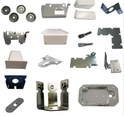
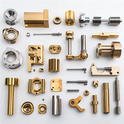

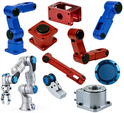
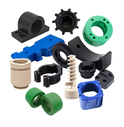

Sheet metal is metal formed into thin, flat pieces, usually by an industrial process.
Thicknesses can vary significantly; extremely thin sheets are considered foil or leaf, and pieces thicker than 6 mm (0.25 in) are considered plate, such as plate steel, a class of structural steel.
Sheet metal is available in flat pieces or coiled strips. The coils are formed by running a continuous sheet of metal through a roll slitter.
1.Strength and durability: Sheet metal parts are resistant to pressure, corrosion, heat, moisture, sun and wear and tear, making them a superior choice for many projects. Adding bends only increases the metal’s strength.
2.Malleability: Using the right equipment, sheet metal can be bent into the shape of your preference, retaining its strength and structural integrity. It can be compressed or stretched without breaking and/or cracking. This malleability enables sheet metal to be effectively and efficiently used in custom, complex and/or highly specialized applications.
3.Replaceability: Sheet metal parts are replaceable, making it possible for individual components to be removed and changed. This saves time and money and allows for modifications and upgrades.
4.Easily modified: Sheet metal allows for easy expansion on structures as it is easy to modify.
5.Sustainability: When sheet metal parts are no longer needed, they can be recycled and turned into other parts, multiple times, without a degradation in quality. Scrap metal sheets can be reused again, and transformed into new, high-grade products.
6.Cost-effective: The strength and durability of sheet metal make it a cost-effective option. Also, production costs are low for simple designs.
7.Lightweight: Metal sheets are lightweight and easy to machine, making them portable and suitable for many applications.
8.Aesthetics: Seamless finishes and the option for painting, sand-blasting, polishing, grinding and/or brushing make metal sheets a great option in terms of aesthetics. Sheet metal has a modern feel, lustre and shine.
9.High-precision parts are created through stamping, bending, cutting, blanking, shearing and laser cutting with computerized machines capable of forming sheet metal without deterioration in quality. High-precision parts are needed in construction, automotive, aviation, healthcare, food and beverage and consumer goods.
10.Custom-built designs: Sheet metal fabrication enables creative freedom with custom-built parts and components. Workable prototypes are made to prove design concepts, allowing for innovation in design and use.
11.High-capacity production: If you need sheet metal products in bulk, partnering with a sheet metal fabrication manufacturer is a good choice. High-capacity production of metal parts enables faster distribution into a wider market in a shorter time span. Bulk production is low-cost and efficient, improving the process and optimizing the rate of production.
12.Perfect for prototyping: Sheet metal fabrication allows for easy customization. If the first design/prototype doesn’t work, the part can be easily adjusted, making the creation process flexible and affordable.
13.Variety of techniques and materials: A variety of techniques can be used, making it possible to create complex parts. A wide range of compatible materials can be used for a diverse number of applications.
14.Speed of manufacture: Lack of tooling and high levels of automation means that sheet metal parts can be produced quickly, enabling large quantities in a short time.
15.Accuracy: With the right equipment and/or software, extreme accuracy with low levels of variability is possible.
Types of Metal Sheet
Stainless steel
There are a number of grades to choose from, for the purpose of this white paper we will focus on the top three found in precision sheet metal fabrication:S
Austenitic stainless is a non-magnetic – Any of the 300 series steel – that contains high levels of chromium and nickel and low levels of carbon. Known for their formability and resistance to corrosion, these are the most widely used grade of stainless steel.
Ferritic – Stainless steels that are magnetic, non-heat-treatable steels that contain 11-30% chromium but with little or no nickel. Typically employed for non-structural uses where either good corrosion resistance is needed such as with seawater applications or decorative applications where aesthetics are the main concern. These metals are most commonly found in the 400 series stainless steel.
Martensitic – A group of chromium steels ordinarily containing no nickel developed to provide steel grades that are both corrosion resistant and hardenable via heat-treating to a wide range of hardness and strength levels.
Cold rolled steel
A process in which hot rolled steel is further processed to smooth the finish and hold tighter tolerances when forming. CRS comes in 1008 and 1018 alloys.
Pre-plated steel
Sheet metal material that is either hot-dipped galvanized steel or galvanealed steel, which is galvanized then annealed.
Galvanization is the process of applying a protective zinc coating to steel in order to prevent rust and corrosion. Annealing is a heat treatment process that alters the microstructure of a material to change its mechanical or electrical properties, typically reducing the hardness and increasing the ductility for easier fabrication.
Aluminum
Outstanding strength to weight ratio and natural corrosion resistance, aluminum sheet metal is a popular choice in manufacturing sectors meeting many application requirements. Grade 1100 offers excellent corrosion resistance, excellent workability, as well as high thermal and electrical conductivity. Often found in transmission or power grid lines. Grade 3003 is a popular alloy for general purposes because of its moderate strength and good
workability. Used in heat exchanges and cooking utensils. Grade 5052 and 6061 are commonly found in metal fabrication. Grade 5052 is the most widely used alloy best known for being among the stronger alloys while still formable, weldable, and corrosion-resistant. Grade 6061 is a solid structural alloy most commonly used in extrusions or high strength parts such as truck and marine frames.
Copper/brass
With lower zinc content brasses can be easily cold worked, welded, and brazed. A high copper content allows the metal to form a protective oxide layer (patina) on its surface that protects it from further corrosion. This patina creates an often highly desirable aesthetic look found in architectural or other consumer-facing products.
Application of Metal Sheet
Automobile repair
Metal is essential in the automotive industry, particularly in constructing vehicles capable of lasting hundreds of thousands of miles. Businesses that repair cars, however, require access to sheet metal fabrication services. Cars needing restoration and repair need installing new metal parts throughout the vehicle, from the external body to the interior and undercarriage. You will find fabricated sheet metal throughout automobiles.
These sections must often have specific measurements to accommodate the car’s current skeleton. The custom sheet metal fabrication process enables complete repairs built on the vehicle itself, allowing cars that would otherwise be totalled to be repaired. Metal fabricators can also create duplicate spares and uncommon automotive parts, which saves time.
Building and agriculture
Metal is frequently used in the framework of strong buildings, and some buildings are entirely built of metal. Specific pieces and parts are required to construct an architectural marvel or a well-designed building. Metal fabrication processes allow you to receive the exact sheets, supports, and metal beams required for the project. It also allows the material to be customized to that particular application.
Some buildings are also works of art, necessitating the precision in production provided by laser cutting, a typical metal manufacturing technology. The advanced metal fabrication processes are adaptable services that can deliver everything from exquisite external elements to the plates and bolts that keep everything together.
Medical applications
While you will find metal in the buildings of the medical facilities, you will also find it in the applications used in the medical industry. Many pieces of medical equipment, such as complicated machinery and operating tools, are made of fabricated sheet metal components. Metal surgical instruments may be manufactured to precise and accurate dimensions and ordered in quantity, ensuring that hospitals never run out of crucial tools.
Furthermore, medical innovations occur on a daily basis, resulting in the development of new tools with specific capabilities for specific operations and inspections, as well as the creation of new machines and even surgical robots. The pioneers behind this medical research require precision instruments made from sheet metal materials.
Transportation
The transportation sector encompasses everything from international freight to railways and even semi-trucks you see daily. The durability and performance of transportation vehicles are a major concern in this industry. Metal manufacturing is critical to maintaining transportation service productivity. It can help with everything from railroad maintenance to building storage containers.
Custom metal fabrication’s versatility allows it to make many specially designed and formatted pieces, such as fasteners, plates, and the exterior components of vehicles. Do you require a specific or unusually sized container? Metal fabricators can create exactly what you require, all with the goal of facilitating transportation.
Office components
Sheet metal is often used in various office components, from monitors to the housings in your computer. If you have filing cabinets, you might also find a piece of sheet metal used in their construction and the metal dividers you find in office buildings to the actual build itself. Office space has a fabricated sheet metal need for a variety of reasons.
Process of Metal Sheet
Stamping
Metal stamping is a cold-forming process. Dies and stamping presses are utilized to manipulate sheet metal into different shapes for many applications. Stamping is quick and affordable, which is ideal for producing large quantities of perfected components. Some of the machining techniques within the stamping process are embossing, bending, and coining.
Bending
As the name implies, bending is the process of shaping metal into desired shapes. Metal is typically bent around a single axis. The goal is to bend the metal above the yield point but below the tensile strength.
Roll forming
Roll forming is the process of feeding metal through rollers to create a uniform bend down the entire length of the metal sheet resulting in a coil.
Stretching
Stretching a thin sheet of metal is about as simple as it sounds. Metal materials are stretched or pulled apart using various hand tools or machines.
Cutting with CNC machines
Sheet metal cutting in industrial/manufacturing applications is a precise process that uses computer numerical control (CNC) machines like lasers, plasma, waterjet, etc. CNC machines are used to produce precisely engineered parts.
Regular cleaning: Wash the laminate surface with water and mild detergent to remove dirt and contaminants and use a brush or sponge for hard-to-reach areas.
Degradation inspection: A periodic visual check for signs of oxidation, such as rust spots or wear. With special attention to areas prone to moisture accumulation.
Application of protective coatings: In this case, you need specific paints or galvanizing.
Connection verification. Check connections and fasteners to make sure they are tight and in good condition.
Joint maintenance:Also check the ones on the stamps to avoid water or humidity leaks that could damage the metal plates.

How to Remove Defects in the Sheet Metal
Coil curvature is quasi standard, but must be eliminated
In coil curvature, the strip is curved in the longitudinal direction due to the winding process. This error actually always occurs with coils. But other deviations are possible. With narrower sheet metal strips, it can be transverse curvature, i.e. a curvature transverse to the strip direction. Or torsion can occur, in which case the sheet metal strip is twisted in itself.
In wide plate strips, flatness defects such as coil breaks (waves across the entire width of the plate), edge waves, one-sided and center waves occur.
Apart from defects in the starting material, mechanical or thermal effects can also introduce stresses into the sheets. Normally, these are not coils but blanks or sheet metal parts. These effects have their causes in the cutting of the sheets.
Separation processes can also cause defects in the sheet metal
Especially thermal processes such as laser, plasma or oxyfuel cutting must be kept a close eye on here. This is because a great deal of heat is generated where the cutting beam meets the material. This creates a very large temperature gradient, which in turn leads to stresses. But mechanical processes such as cutting or punching can also introduce residual stresses into the sheets.
Defects in the sheet metal and also the residual stresses can impair the result in sheet metal processing. This is because a straight workpiece that meets the required tolerances cannot be produced from a warped sheet in a scheduled process. Experienced employees know how - within certain limits - they can still achieve usable results even with poor material. However, this does not apply to automated production, where a lot of scrap quickly accumulates.
Leveling eliminates coil defects and residual stresses in sheet metal
Both coil defects and residual stresses in the sheets can be eliminated by straightening. Straightening machines straighten the sheets with the aid of rollers, eliminating both defects and stresses. Two types of equipment can be distinguished: Strip straighteners are used to correct sheet metal strips, while part straighteners straighten individual parts or blanks. Straight strip levelers offer a wide range of options for adjusting the leveling rolls and precisely counteracting coil defects.
Leveling then has a positive effect on the subsequent machining processes: If the sheets contain as few residual stresses and defects as possible, bending or milling becomes more precise. Welded assemblies can also be assembled much faster, and time-consuming reworking is completely eliminated.
Engineers designing sheet metal enclosures and assemblies often end up redesigning them so they can be manufactured. Research suggests that manufacturers spend 30-50% of their time and 24% of the errors are due to manufacturability. The reason behind these preventable engineering errors is usually the wide gap between how sheet metal parts are designed in CAD programs and how they are actually fabricated on a shop floor. In an ideal scenario, the designing engineer would be familiar with the typical tools that will be used to fabricate the sheet metal parts while also taking advantage of designing within the CAD programs available sheet metal settings.
The more that is known about the fabrication process during the design phase the more successful the manufacturability of the part will be. However, if there are issues with the way certain features were designed, then a good manufacturing supplier should be able to point those out and suggest good alternatives to address them. In some cases, the suggestions may
same time and unneeded costs. Here are some considerations while designing sheet metal for fabrication:
1.Sheet metal fabrication is most cost-effective when standard tool sizes are used as opposed to costly custom tools that need to be made specifically for the job. If a single part becomes too complex, consider welding or riveting parts together that can be made using standard, or universal tools.
2.Because bends will stretch material, features such as holes, cut-outs, inserted hardware should be located well enough away from bends to prevent distortion of the hole. To help with this rule, remember “4T” which means located features four times the material thickness away from any bends.
3.Press brakes create bends by pressing sheet metal into a die with a linear punch, so the design does not allow the creation of closed geometry.
4.Sheet metal tolerances are far more generous than machining or 3D tolerances. Factors affecting tolerances include material thickness, machines used, and the number of steps in the fabrication process. Suppliers generally will provide detailed tolerance specifications as it related to their shop and machines.
5.A uniform bend radius such as 0.030 in. (industry standard) should be used on every bend of a part to reduce multiple setups and accelerate production.
6.Welding thin materials can lead to cracking or warping. Consider other joining methods when working with thin materials.
7.Consider material thickness and manufacturers’ minimum requirements when installing PEM hardware.
Choosing the Right Metal Sheet for Your Project
Material matters
The first and foremost consideration is the type of metal sheet material. Various metals are used in sheet manufacturing, each offering unique properties and advantages. Common options include steel, aluminum, copper, and stainless steel. Assess your project requirements in terms of strength, corrosion resistance, and conductivity to determine the most suitable material for the job.
Gauge and thickness
Metal sheets come in different thicknesses, typically measured by gauge. Understanding the required thickness is crucial as it affects the sheet’s strength and durability. Thicker sheets are more robust but may be heavier and less malleable. Consulting with a reputable metal sheet manufacturer can help you determine the ideal gauge for your specific application.
Coatings and finishes
The choice of coating or finish is integral for protecting the metal sheet from environmental elements. Common coatings include galvanized zinc for corrosion resistance, while finishes like powder coating provide aesthetic appeal. Consider the environmental conditions your project will face and choose a coating or finish that best addresses those factors.
Size and dimensions
Metal sheets are available in various sizes and dimensions. Evaluate your project specifications and choose a size that minimizes waste and optimizes cost-effectiveness. Custom sizing may be available through reputable manufacturers, providing a tailored solution to your unique requirements.
Strength and durability
The strength of a metal sheet is critical, especially in applications where structural integrity is paramount. Evaluate the load-bearing requirements and stress factors in your project to choose a metal sheet that meets or exceeds these demands. Stainless steel, for instance, is renowned for its high strength and durability in demanding environments.
Cost considerations
Budget constraints are a reality in any project. Balancing quality and cost-effectiveness is essential. While opting for cheaper materials might seem economical initially, it could compromise the longevity and performance of your project.
The Most Common Sheet Metal Fastening Methods
Sheet metal can be used in almost any project. It can be applied using various methods, such as loose hardware application, welding and self clinching. Loose hardware can include rivets, nuts and bolts.
In the fastening industry, the two most common methods of application are welding and self clinching fastening.
Welding application
Welding is historically one of the most common sheet metal fastening methods. The welding technique is a fabrication process consisting of two or more parts fused through heat or pressure. Conventional fasteners used for this method include tack weld and spot weld fasteners.
In project design, welding provides physical, strong bonds between sheet metals, resulting in high structural performance.
Self-clinching fastening application
Self clinching technology is most commonly used for sheet metal fabrication. This can be found in all industries where two components need to be held together.
This method involves installing the fastener into an anvil hole and placing the mounting hole over the fastener's shank. A robust solution for any type of sheet metal, self clinching fasteners can provide stable threads or attachment in metal as thin as 0.30 mm/.012”.
Self clinching is an innovative fastening method that provides environmental benefits and saves time and money.
Our Factory
We have an experienced technical team with more than 10 years of experience. The product processing accuracy can be controlled to 0.01mm.

