


Your Leading CNC Machining Supplier
Shenzhen Huazheng Precision Technology Co., Ltd.was founded in 2005 as a professional CNC machining manufacturer. The factory covers an area of 2000㎡and we have over 60 employees.
Why Choose Us?
High quality
We have multi-layer inspection process and more than 4 inspectors to check the quality of products and we can provide inspection report to ensure your custom parts are full checked.
Competitive Price
We offering a higher-quality product or service at an equivalent price. As a result we have a growing and loyal customer base.
Rich experience
We have an experienced technical team with more than 10 years of experience.
Customized services
We can provide one-stop service to fulfill your whole project, including various surface treatment, die casting, sheet metal and assembly service as well.
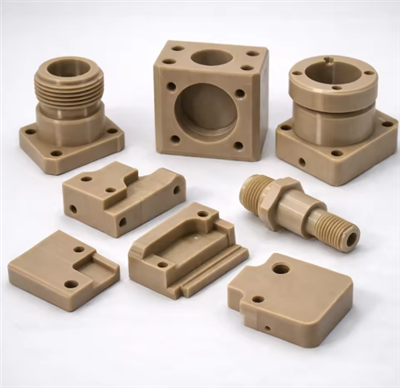
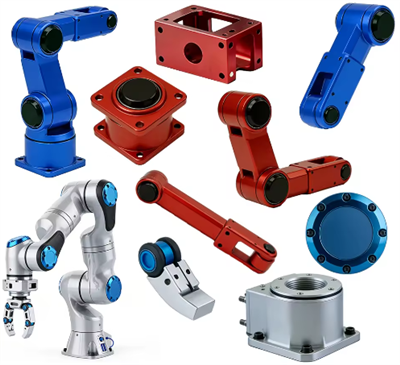
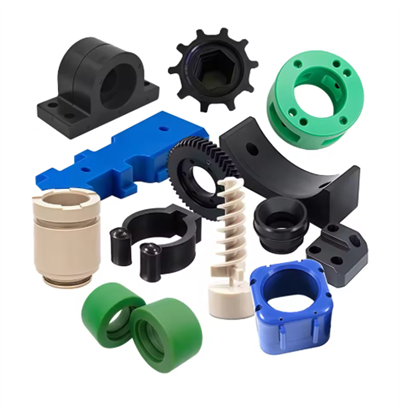
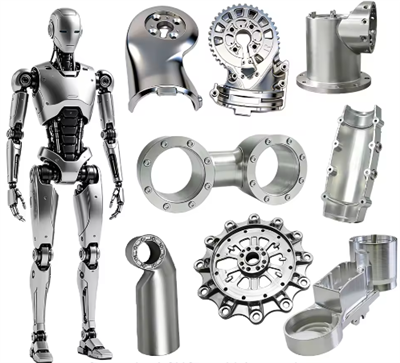


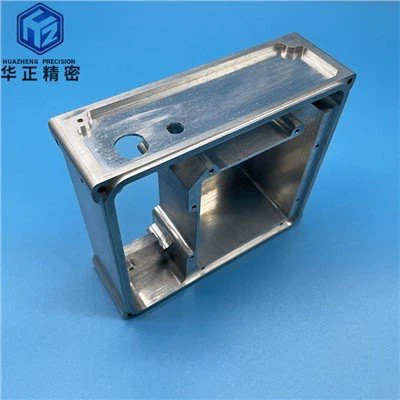

Product Categories

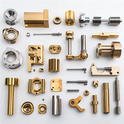

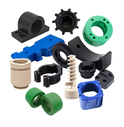

Computer Numerical Control (CNC) machining is a manufacturing process in which pre-programmed computer software dictates the movement of factory tools and machinery. The process can be used to control a range of complex machinery, from grinders and lathes to mills and CNC routers.
1. Precision
CNC machines are incredibly precise, with accuracy up to within thousandths of an inch. This makes them ideal for creating complex and intricate parts with tight tolerances.
2. Repeatability
CNC machines can produce identical parts repeatedly, ensuring consistency and reducing the risk of errors. A high repeatability of results will also help improve product quality and customer satisfaction.
3. Increased efficiency
Are you interested in increasing the efficiency of your production line? CNC machines can operate 24/7, allowing for high-volume production with minimal labor required. It’s a win-win!
4. Greater flexibility
Wish your company had greater flexibility to meet changes in demand? CNC machines can be programmed to create a wide range of parts, making them ideal for prototyping and short-run production.
5. Improved safety
CNC machines are designed with safety features to protect operators and reduce the risk of accidents. As a CNC machine builder, we do everything in our power to ensure our products meet the highest of safety standards.
6. Reduced labor costs
Are labor costs draining your business? The good news is that CNC machining centers require less labor than traditional manufacturing methods, reducing labor costs and increasing profitability.
7. Faster production times
CNC machines can produce parts much faster than manual methods, reducing lead times and improving overall production efficiency. Also, keep in mind that you’ll be able to fulfill more orders if you’re able to achieve faster production times.
8. Lower scrap rates
CNC machines produce parts with higher accuracy and consistency, reducing scrap rates and minimizing waste. Not to mention, lowering your scrap rates will also help you make more efficient use of natural resources and save money on raw materials purchases.
9. Improved quality control
CNC machines can be programmed to perform quality control checks during production, reducing the risk of defects and ensuring high-quality parts. Quality assurance will also help improve customer satisfaction and brand reputation in the long run.
10. Scalability
CNC machines can easily be scaled up or down to accommodate changes in demand, making them a flexible and cost-effective option for manufacturing. A CNC machining center is also a great investment if you plan on growing your business in the near future.
Types of CNC Machining
1.CNC milling machine
CNC milling machines use cutting tools to remove material from a workpiece and shape it accurately to the required specifications. The workpiece is usually fixed in location while the high-speed rotating cutting tool removes material from it.
CNC mills can have a wide range of cutting tools, each having a different purpose. Some typical cutting tools are end mills, reamers, face mills, taps, and drills. These machines come in both vertical and horizontal versions.
2.CNC router machines
A CNC router cut various shapes and designs on flat surfaces of any material. These machines replace multiple manual tools traditionally used in carpentry and metalworking workshops, such as boring machine tools, panel saws, and spindle molders.
3.CNC plasma cutters
A CNC plasma cutting machine delivers a highly accurate cut. It uses an electrical discharge arc (like a plasma torch) to ionize the air and melt the material where the electrical arc strikes. Since it works through an electrical arc, the process only applies to electrically conductive materials.
4.CNC lathes and turning machines
CNC lathe machines work by revolving the workpiece material around a central axis. Cutting tools are then applied to the workpiece to remove material and shape it into the required. A CNC lathe machine can produce a finished product much faster with more precision than manual lathes.
CNC lathe machines are ideal for various processes, like cutting, sanding, facing, drilling, turning, knurling, etc. In CNC turning, a non-rotary tool moves linearly on a rotating workpiece to create a helical/spiral cutting path.
5.CNC laser cutting machine
CNC laser cutters use a highly focused laser beam to cut sheets of any material. A CNC laser cutter machine produces cuts with even greater precision than plasma cutting. CNC laser cutters are not limited to conductive materials, as solid-state lasers can cut any material.
6.CNC electrical discharge machines (EDM)
An Electrical Discharge Machine (EDM) works similarly to plasma cutters by using an electrical arc to remove material at the required location. This method can create fast 2D cuts on metal sheet format.
7.CNC waterjet cutting machine
A waterjet CNC machine uses a very thin jet of water to cut through the material. CNC water jet cutting is one of the most versatile methods due to its ability to work on any material. Multi-axis CNC water jet cutters are capable of 3D cuts as well. Additionally, the thickness of the material suitable for waterjet cutting is high.
8.CNC grinding machines
CNC surface grinders, used for the CNC grinding process, use rotating ceramic-blend grinding wheels to remove workpiece material for sanding, finishing, or polishing purposes. Diamond grinding wheels can provide exceptionally high-quality secondary finishing touches.
9.CNC drilling machine
CNC drilling is one of the most common types of CNC machining process in workshops. It is ideal for drilling holes in any material for screws, secondary assembly, or aesthetic requirements.
Application of CNC Machining
Automotive industries
In the automotive industry, CNC machines produce parts that require tight tolerances and exact specifications, such as engine blocks, transmission housings, and suspension components. CNC machines can also create custom parts unique to a particular vehicle model.
Aerospace industries
CNC machines produce aircraft, spacecraft, and satellite parts in the aerospace industry. These parts must be lightweight, durable, and withstand extreme conditions. CNC machines can create complex shapes and contours that cannot be achieved with traditional machining methods.
Medical industry
CNC machines produce surgical instruments, prosthetics, and implants in the medical industry. These parts must be precise and reliable to ensure patient safety. CNC machines can have parts with intricate designs and tight tolerances essential in medical applications.
Electronics industry
CNC machining is an indispensable technology in the electronics industry, used to produce a wide range of electronic components and devices with high precision and accuracy. It is used for cutting and drilling printed circuit boards, shaping enclosures and connectors, producing heat sinks, creating electronic components, and prototyping.
Optical communication industry
CNC machining is used in the optical communication industry to create precise components such as fiber optic connectors, ferrules, optical filters, and couplers. These components are critical for the efficient transmission of data through optical fibers.
Military and defense industry
CNC machining is widely used in the defense industry for producing high-precision components for aerospace systems, weapon systems, armor, vehicle components, and communication and electronics equipment. It is critical for ensuring the reliability and performance of these systems.
Oil and gas industry
CNC machining is used extensively in the Oil and Gas industry for various applications, including manufacturing components for drilling equipment, valves, pumps, and pipelines. It's also used in the fabrication of offshore structures and the repair and refurbishment of equipment. CNC machining ensures high precision and reliability of critical components in harsh environments.
Energy industry
In the energy industry, CNC machining produces intricate parts for various applications such as turbines, oil and gas drilling equipment, nuclear power plant components, and solar panel frames. The process guarantees high precision, accuracy, durability, and resistance to wear and tear.
Components of CNC Machining
Control panel: The central nervous system
The control panel is more than just the “brain” of a CNC machine; it’s the interface where human expertise meets machine execution. It’s here that operators input the CNC software and programming commands that guide the machine’s movements and operations. Modern CNC control panels are equipped with sophisticated software that allows for precise control over every aspect of the machining process, from speed adjustments and tool changes to complex 3D modeling. These panels often feature touchscreens, buttons, and dials, enabling operators to input data, adjust settings, and monitor the entire machining process in real-time.
Cutting tool: The heart of material transformation
The cutting tool is the component that directly interacts with the material to shape it according to specifications. Its type varies widely depending on the CNC machine and the specific application.
Workpiece holder: The foundation of precision
The workpiece holder, or fixture, is critical for securing the material in place during the machining process. This component ensures stability and precision by preventing any movement or vibration that could compromise the machining accuracy. Common types of workpiece holders include chucks, which hold materials with radial symmetry, and clamps or vises for securing flat materials. The design and choice of workpiece holder are crucial for maximizing the efficiency of the machining process, reducing setup times, and ensuring consistent quality across multiple pieces. CNC Fixturing and Work Holding Series.
Spindle: The powerhouse of tool movement
The spindle is a key component that holds and rotates the cutting tool or, in some cases, the workpiece itself. Its speed and torque are critical factors in the machining process, influencing the quality of the finished product and the efficiency of material removal. Spindles are designed to withstand the high speeds and forces involved in cutting, and they come in various sizes and power ratings to accommodate different tools and materials. Advanced spindles also feature cooling systems to dissipate heat generated during machining, extending tool life and maintaining precision.
Axes: The dimensions of freedom
The axes of a CNC machine define its movement and capabilities. Basic CNC machines typically operate on three axes:
X-axis (left to right),
Y-axis (front to back), and
Z-axis (up and down).
More complex machines may include additional axes, such as a rotating table (A-axis) or a tilting head (B-axis), allowing for more intricate and multi-dimensional shapes to be machined. These axes work in concert, controlled by the CNC software to move the cutting tool and workpiece relative to each other with precision. The number and configuration of the axes determine the machine’s ability to produce complex geometries and the level of detail achievable in the finished product.
Process of CNC Machining
1.Creating the blueprints
The first step is to create the blueprints for the required parts. Blueprints are made keeping in mind the features of the part and its applications. Blueprints are made by designers, engineers, or a team of many professionals.
2.Creating the CAD model
The blueprint is then turned into a digital two or three dimensional model by a Computer Aided Design (CAD) software. The CAD model is a scale design of the part that contains various information such as the dimensions, wall thickness, depth of cavities, etc.
3.Converting CAD to CAM
CNC machines do not understand the digital design data of CAD files. Therefore, the CAD files are converted to a Computer Aided Manufacturing (CAM) format. There are many CAM software available for this purpose. This format is readable by the machine.
4.Machine configuration
The machine requires configuration before program execution. The file is transferred to the machine through the dedicated ports on the machine system. The operator also adjusts the various settings of the machine through the system input. The object is mounted on the work table and secured using clamps. All preliminary checks are done at this point.
5.Program execution
The operator then executes the program. The machine reads the instructions and begins machine tool movement. The program is stopped once the machining is finished, or the CNC machine tools encounter any error. The operator can also stop the program midway in case of an emergency.
6.Unloading
After the program finishes, the operator can remove the workpiece from the table. The operator inspects the workpiece for quality. The workpiece may then be sent for secondary processing as required.
About mechanical part:
- Check the lubrication system and gauge status. Clean the filter of the lubrication system in time. Regularly change the lubricating oil and dredge the oil circuit.
- Check the air system. Clean the air filter regularly. Avoid pressure gas leaks.
- Check the fluid system. Clean the filter and fuel tank regularly. Replace or filter oil. If possible, replace the seal regularly.
- Tighten the transmission parts regularly. Replace defective parts in time.
- Clean the transmission system regularly. Avoid the dust accumulation result in the transmission system failure.
- Check the tool back regularly. Assess tool worn condition and change tools in time.
- Periodically Check if the servo motor of each axis works normally and if there was no abnormal sound.
- Check the machine level and mechanical accuracy monthly and correct in time. In order to hold the processing accuracy of CNC machining centers and ensure the quality of products.
About Electrical part:
Prevent dust from entering the electrical box. In the air of the factory, usually, it will have oil mist, dust, and even metal powder. If they fall on the circuit boards or electronic components of the machine. It may cause the insulation resistance between components to drop, it even caused damage to components and circuit boards. So you need to clean the dust on the electrical components of the electrical box regularly. Fasten them in time. like control card and the circuit board. And keep the heat dissipation device clean.


Before the electronic age, designers created parts by hand or by manually operated machines. The manufacturing processes used at this stage are limited in accuracy, precision, suitability for complex products, and, most importantly, mass production of products. As a result, there were research and development into introducing new manufacturing processes.
The first glimpse into numerical control was when John T. Parsons, in collaboration with MIT, developed the numerical control machines in part manufacturing in the US Airforce in the 1940s. These machines allow manufacturers to control a set of tools using instructions from punch cards. However, they still lack whole automation. Consequently, they were used with operators present.
With the invention of faster computers, the CNC machine started using digital codes instead of punch cards to control the machine tools. CNC machining can produce parts more quickly and accurately than the previous machining system.
Cost Reduction Tips for CNC Machining
There are three main areas that will significantly affect the cost of your part:
Design - Complex parts result in increased machining time.
Material - The cost of the bulk material and how easily it can be machined.
Quantity - Cost per unit reduces with an increase in quantity due to fixed setup costs.
Design
1.Increase radius
The cutting tools used in CNC Machining have a circular cross-section and must also rotate in order to provide the cutting mechanism. This means the tool will naturally cut curved internal corners known as fillets. To reduce machining times, add the biggest possible fillets to your design which will allow a larger tool with a higher material removal rate to be used.
2.Avoid tall features and thin walls
Both tall features and thin walls are prone to vibration when CNC machining, which can result in warping or fracturing of the part. To minimise part vibration the cutting tool has to make multiple slow speed shallow cuts into the workpiece. This increases the machining time considerably which in turn increases the part cost.
3.Use standard holes
Standard holes sizes can be drilled quickly and accurately with drill bits. However, if you require a non-standardised hole CNC machining will need to be used, increasing the cost. It is also important to keep holes a suitable distance away from the edge of the part to avoid creating a problematic thin wall feature.
4.Blank size
The 'blank' is the stock block/rod of material that is loaded into the CNC machine ready to be machined. The size of the blank used depends on the bounding volume of the part, therefore, protruding features can have a large effect on the material costs and increase the bounding volume. Try to consider the size of the bounding volume when designing your parts to help minimise material costs.
5.Tolerances
To manufacture holes, walls and threads to tight tolerances is an expensive process as it requires an iterative slow machining process, increasing machining time. Parts also require post-machining inspection using a micrometre or CMM, further adding to the cost. It is therefore advised to only add tolerances to critical features in your design. Soft materials or designs with thin features are tricky to machine to a tight tolerance due to the part/tool flexing/vibrating when machining.
6.Avoid adding embossed text
When it comes to adding text/logos engraving is preferred to embossing as it requires less material removal, saving time and money. A Sans Serif style font is recommended with a minimum point size of 20 and an engraving depth of 0.3 mm. There are multiple other ways of adding text on parts such as laser etching and silkscreening which can be cheaper alternatives.
General Tips on CNC Machining Certain Materials
The decision of which of the CNC machining materials to use for your part ultimately depends on what you’re looking to create, but here are some general tips to use as a brief CNC materials guide:
Consider non-metallic materials
Don’t assume metals are your best option. Non-metallic materials have become popular because they are lightweight yet durable — like foam you can mold into various shapes. Non-metals also retain small details during cutting. If your project seems like one that may benefit from the use of non-metals, plenty of options can benefit your final product.
Know the difference between foams
Remember that rigid foam and carving foam serve different purposes. While both are lightweight, yet durable, rigid foam is best for parts with a focus on structural integrity and stability, while carving foam is often used as insulation and prototypes for molds.
Consider phenolics
Phenolics are great options, especially when you need to adhere to specific regulations or specifications for military-related projects.
Learn about different plastics
You can choose from a wide variety of diverse plastics. Acetal is often used for bushing and bearing replacements. Polyvinylidene fluoride polymer, or PVDF, is used in insulation for electrical wiring. You can employ UHMW in medical biomaterial, such as knee, hip and spine replacement devices. These are just a few examples of the endless possibilities offered by plastics.
Our Factory
We have an experienced technical team with more than 10 years of experience. The product processing accuracy can be controlled to 0.01mm.

