


Hey there! As a supplier of CNC Machined PEEK parts, I often get asked about the peel strength of these parts. So, let's dive right into it and break down what peel strength is and why it matters for CNC machined PEEK parts.
What is Peel Strength?
Peel strength is a measure of the force required to separate two bonded materials at a specific angle and rate. In the context of CNC machined PEEK parts, it's all about how well the PEEK material sticks to other materials when they're bonded together. Think of it like trying to peel a sticker off a surface. The harder it is to peel, the higher the peel strength.
Peel strength is usually measured in units of force per unit width, like pounds per inch (ppi) or newtons per millimeter (N/mm). A higher peel strength means the bond between the materials is stronger and more resistant to separation.
Why is Peel Strength Important for CNC Machined PEEK Parts?
Now, you might be wondering why peel strength is such a big deal for CNC machined PEEK parts. Well, there are a few key reasons.
1. Durability and Reliability
In many applications, CNC machined PEEK parts need to withstand a lot of stress and wear over time. If the bond between the PEEK and other materials has low peel strength, it's more likely to fail under these conditions. This can lead to parts coming apart, which can cause equipment malfunctions or even safety hazards. For example, in automotive applications, a weak bond in a PEEK part could lead to a critical component failing while the vehicle is in motion.
2. Performance
The peel strength of a CNC machined PEEK part can also affect its overall performance. In some cases, a strong bond is necessary to ensure that the part functions as intended. For instance, in electronic devices, a PEEK part with good peel strength can help maintain proper electrical connections and prevent signal interference.
3. Cost-Effectiveness
Using CNC machined PEEK parts with high peel strength can actually save you money in the long run. Since these parts are less likely to fail, you'll have fewer replacement costs and less downtime due to maintenance and repairs.
Factors Affecting the Peel Strength of CNC Machined PEEK Parts
There are several factors that can influence the peel strength of CNC machined PEEK parts. Let's take a look at some of the most important ones.
1. Surface Preparation
The way the surfaces of the PEEK and other materials are prepared before bonding is crucial. A clean, smooth surface will generally result in a stronger bond. Any dirt, oil, or other contaminants on the surface can reduce the peel strength. So, it's important to thoroughly clean and prepare the surfaces before bonding.
2. Bonding Method
The method used to bond the PEEK to other materials can also have a big impact on peel strength. There are several bonding methods available, including adhesive bonding, welding, and mechanical fastening. Each method has its own advantages and disadvantages, and the choice of method will depend on the specific application and requirements.
3. Material Compatibility
The compatibility of the PEEK with other materials is another important factor. Some materials may bond better with PEEK than others. It's important to choose materials that are compatible with PEEK to ensure a strong bond.
4. Processing Conditions
The processing conditions during CNC machining and bonding can also affect peel strength. For example, the temperature, pressure, and time used during the bonding process can all influence the strength of the bond. It's important to carefully control these processing conditions to achieve the desired peel strength.
Measuring the Peel Strength of CNC Machined PEEK Parts
So, how do you measure the peel strength of CNC machined PEEK parts? There are several standard test methods available, including the 90-degree peel test and the 180-degree peel test.
In a 90-degree peel test, the bonded materials are peeled apart at a 90-degree angle. The force required to peel the materials is measured using a testing machine. The 180-degree peel test is similar, but the materials are peeled apart at a 180-degree angle.
These tests are typically performed in a laboratory setting using specialized equipment. The results of the tests can provide valuable information about the peel strength of the CNC machined PEEK parts and help ensure that they meet the required specifications.
Our Services as a CNC Machining PEEK Parts Supplier
As a supplier of CNC machined PEEK parts, we understand the importance of peel strength and other quality factors. That's why we use state-of-the-art CNC machining equipment and strict quality control processes to ensure that our parts meet the highest standards.
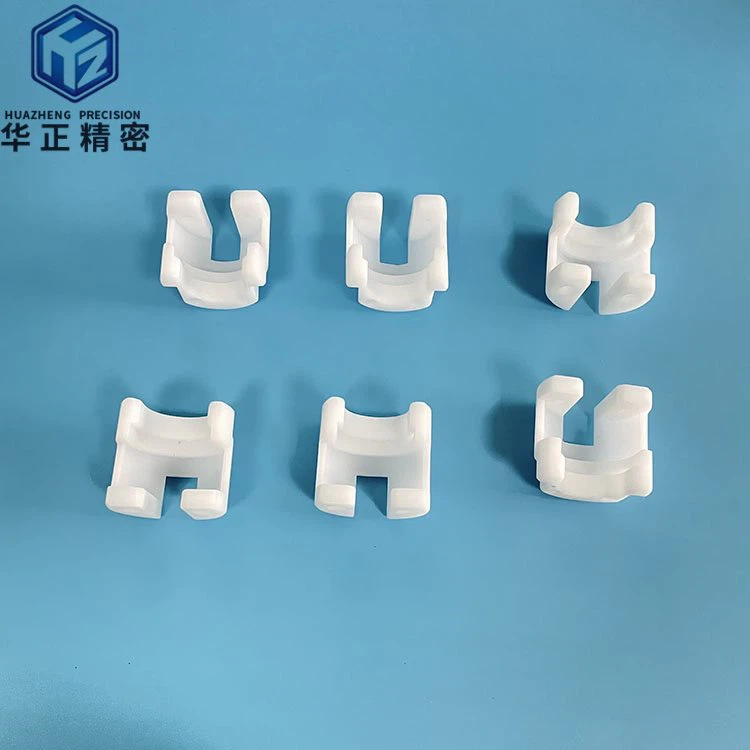
We offer a wide range of CNC Machining Plastic Parts Service to meet the diverse needs of our customers. Whether you need custom CNC machined PEEK parts for automotive, aerospace, medical, or other applications, we can help.
Our team of experienced engineers and technicians can work with you to design and manufacture CNC machined PEEK parts that meet your specific requirements. We also offer CNC Machining Plastic Auto Parts and CNC Machining ABS Prototypes to help you bring your ideas to life.

Conclusion
In conclusion, the peel strength of CNC machined PEEK parts is an important factor that can affect their durability, performance, and cost-effectiveness. By understanding the factors that influence peel strength and using proper testing methods, you can ensure that your CNC machined PEEK parts meet the required specifications.
If you're in the market for high-quality CNC machined PEEK parts, we'd love to hear from you. Contact us today to discuss your project requirements and learn more about how we can help you. We're committed to providing you with the best possible products and services, and we look forward to working with you.
References
- ASTM D903 - Standard Test Method for Peel or Stripping Strength of Adhesive Bonds
- ISO 8510 - Adhesives - Peel test for a flexible-bonded-to-rigid test specimen assembly


