


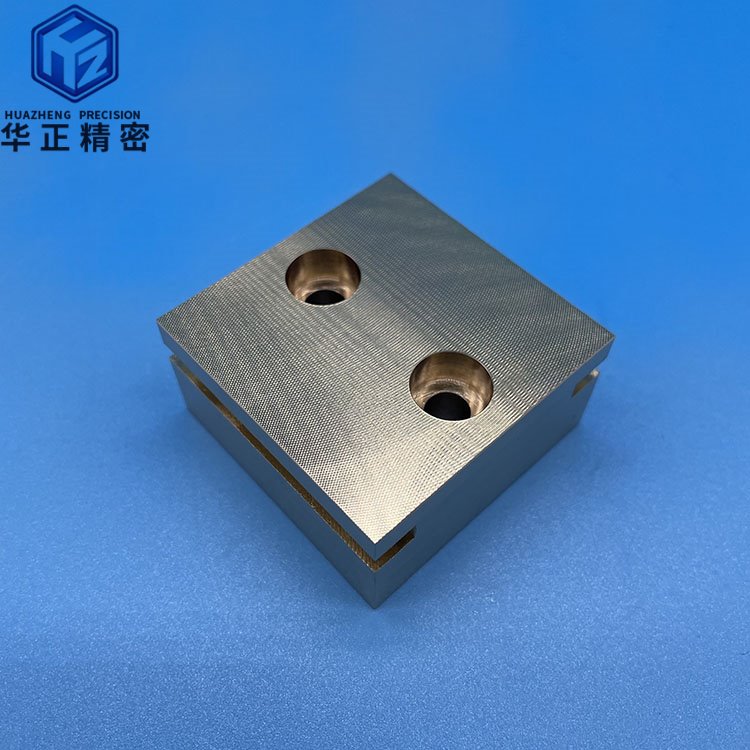
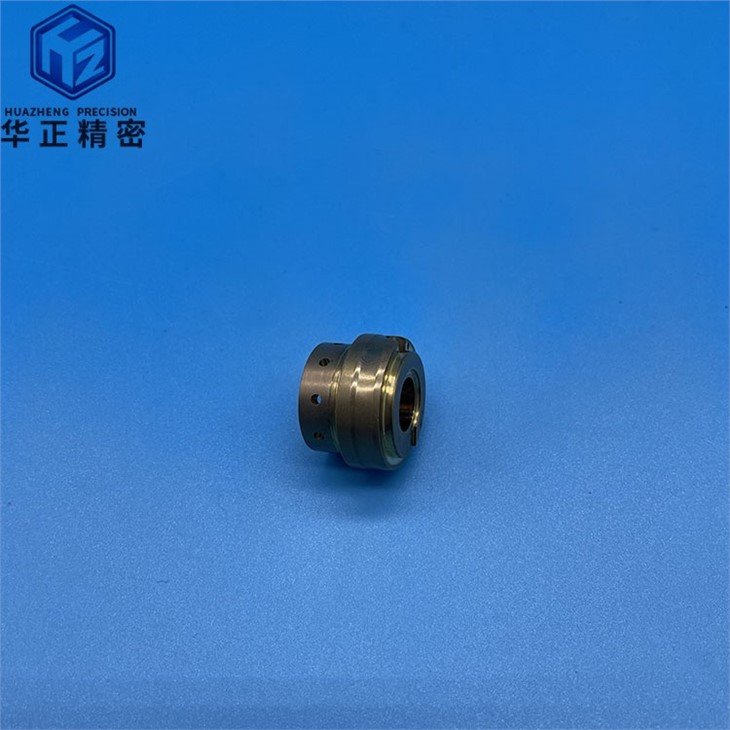
In the automotive industry, the choice of materials for car parts is crucial, as it directly impacts both the performance of the vehicle and the overall cost. Machined brass car parts have emerged as a popular choice for many automotive applications, and in this blog post, I'll delve into the cost - effectiveness factors of using these parts from the perspective of a machined brass car parts supplier.
1. Material Properties and Cost - Effectiveness
Durability
Brass is an alloy composed primarily of copper and zinc. This combination gives brass excellent durability. It can withstand high levels of stress, corrosion, and wear. In automotive applications, parts such as connectors, bearings, and valves are subject to continuous mechanical forces and exposure to various environmental conditions. Machined brass car parts, with their inherent durability, have a longer service life compared to some other materials. This means that car manufacturers or repair shops don't have to replace these parts as frequently, resulting in long - term cost savings. For example, brass valve seats in engines can resist the high - temperature and high - pressure environment, reducing the need for costly engine overhauls due to valve seat wear.
Malleability
One of the remarkable properties of brass is its high malleability. This allows for easy machining. CNC Brass Machinery Part suppliers can create complex shapes and precise dimensions with relative ease. During the manufacturing process, less energy and time are consumed compared to machining materials that are harder or more brittle. The lower machining time directly translates into lower labor costs and higher production efficiency, which in turn reduces the overall cost per part. For instance, when creating brass gears for automotive transmissions, the malleability of brass enables smooth cutting and shaping, minimizing the chances of tool breakage and reducing production downtime.
Electrical Conductivity
In modern cars, electrical systems are becoming increasingly complex. Brass has good electrical conductivity, making it an ideal material for electrical components such as connectors and terminals. Using machined brass car parts in electrical applications ensures reliable electrical connections, reducing the risk of electrical failures. Electrical failures can be extremely costly to diagnose and repair, as they often involve extensive testing and replacement of multiple components. By using brass parts, the overall reliability of the electrical system is improved, and the associated maintenance and repair costs are reduced.
2. Cost - Effective Manufacturing Processes
CNC Machining
Computer Numerical Control (CNC) machining is a widely used manufacturing process for Machined Brass Car Parts. CNC machines offer high precision and repeatability. Once the machining program is set up, the same high - quality parts can be produced in large quantities with minimal variation. This reduces waste and the need for rework. Additionally, CNC machining is highly automated, which reduces the labor - intensive nature of traditional machining methods. The operator can oversee multiple machines simultaneously, increasing productivity and reducing labor costs. For example, when producing brass fuel injector nozzles, CNC machining can achieve the tight tolerances required for proper fuel atomization, ensuring optimal engine performance.
Mass Production Capability
Brass is well - suited for mass production. The combination of its malleability and the efficiency of modern manufacturing techniques allows for the rapid production of large quantities of parts. Economies of scale come into play here. As the production volume increases, the cost per unit decreases. This is because fixed costs such as tooling, setup, and equipment depreciation are spread over a larger number of parts. For automotive manufacturers, this means they can source high - quality machined brass car parts at a lower cost per unit, which is beneficial for their bottom line.
Recycling and Sustainability
Brass is a highly recyclable material. During the manufacturing process, any leftover brass scraps can be collected and recycled back into new parts. This not only reduces the cost of raw materials but also has a positive environmental impact. Recycling brass requires less energy compared to producing new brass from virgin materials. As environmental regulations become stricter, automotive companies are increasingly looking for sustainable solutions. By using machined brass car parts, they can meet both cost - effectiveness and sustainability goals.
3. Compatibility and Integration
Compatibility with Other Materials
Machined brass car parts are highly compatible with other materials commonly used in the automotive industry, such as steel, aluminum, and plastic. This compatibility allows for seamless integration into existing automotive designs. For example, brass connectors can be easily combined with aluminum wiring harnesses in a car's electrical system. The compatibility reduces the need for costly design modifications or the use of special adaptors. This also ensures that the overall performance of the vehicle is not compromised, as the parts work together effectively.
Ease of Replacement
In the event of a part failure, machined brass car parts are relatively easy to replace. Their standard dimensions and widespread availability in the market make it convenient for car repair shops and even DIY enthusiasts to source replacement parts. This reduces the downtime of the vehicle, which is especially important for commercial vehicles. The quicker a vehicle can be back on the road, the less revenue is lost due to its inactivity. For instance, a broken brass radiator fitting can be easily replaced without having to wait for a long - lead - time custom - made part.
4. Market Availability and Pricing
Stable Raw Material Pricing
The raw materials used to produce brass, copper, and zinc, generally have relatively stable prices in the market compared to some other metals. This stability allows for better cost forecasting in the production of machined brass car parts. Automotive manufacturers can plan their budgets more effectively, knowing that the cost of raw materials is less likely to fluctuate wildly. In contrast, the prices of some rare or specialty metals can be highly volatile, which can lead to unexpected cost increases in the production of automotive parts.
Competitive Market Pricing
There is a large number of CNC Machining Brass Car Accessories suppliers in the market, which creates a competitive environment. This competition drives down prices and encourages suppliers to offer better value for money. As a supplier, we are constantly striving to improve our production processes, reduce costs, and offer high - quality parts at competitive prices. This benefits automotive manufacturers and consumers alike, as they can access high - performance brass car parts without breaking the bank.
In conclusion, the cost - effectiveness of using machined brass car parts is evident from multiple perspectives. From the material's properties, manufacturing processes, compatibility, and market factors, brass offers a cost - efficient solution for the automotive industry. If you are in the automotive business and are looking for high - quality, cost - effective machined brass car parts, we are here to help. We can provide you with detailed product information, samples, and competitive quotes. Contact us to start a discussion about how our machined brass car parts can meet your specific requirements and contribute to the success of your projects.
References
- ASM Handbook, Volume 2: Properties and Selection: Nonferrous Alloys and Special - Purpose Materials. ASM International.
- Automotive Materials Handbook: Lightweight Materials for Automotive Applications. Society of Automotive Engineers (SAE).
- Machining Handbook, 31st Edition. Industrial Press Inc.


