


As a plastic parts supplier, ensuring the flame retardancy of our products is not only a matter of compliance but also a crucial aspect of safety and quality. In this blog, I'll share some effective ways to make plastic parts flame - retardant, drawing on our experience in the industry.
Understanding the Need for Flame - Retardant Plastic Parts
Flame - retardant plastic parts are in high demand across various industries. In the electronics industry, for example, plastic components in devices such as computers, televisions, and mobile phones need to be flame - retardant to prevent the spread of fire in case of electrical malfunctions. In the automotive sector, interior plastic parts must meet strict flame - retardancy standards to enhance passenger safety.
The basic principle of flame retardancy is to slow down or prevent the spread of fire by interfering with one or more elements of the fire triangle: fuel, oxygen, and heat. For plastic parts, this means modifying the plastic material to reduce its flammability.
Types of Flame - Retardant Additives
Halogen - Based Flame Retardants
Halogen - based flame retardants, such as brominated and chlorinated compounds, have been widely used in the past. They work by releasing halogen radicals when exposed to heat. These radicals react with the free radicals in the combustion process, interrupting the chain reaction and thus suppressing the flame.
However, halogen - based flame retardants have come under scrutiny due to environmental and health concerns. When burned, they can release toxic and persistent organic pollutants. As a result, many industries are moving towards alternative flame - retardant solutions.
Phosphorus - Based Flame Retardants
Phosphorus - based flame retardants are an increasingly popular alternative. They can act in both the condensed and gas phases. In the condensed phase, they promote the formation of a char layer on the surface of the plastic. This char layer acts as a barrier, preventing the transfer of heat and oxygen to the underlying plastic. In the gas phase, phosphorus - based compounds can release phosphorus - containing radicals that interfere with the combustion process.
Nitrogen - Based Flame Retardants
Nitrogen - based flame retardants, such as melamine and its derivatives, are another option. They work by releasing nitrogen gas when heated. The nitrogen dilutes the oxygen in the combustion zone, reducing the flammability of the plastic. Additionally, some nitrogen - based flame retardants can also form a protective char layer on the plastic surface.
Mineral - Based Flame Retardants
Mineral - based flame retardants, like aluminum hydroxide and magnesium hydroxide, are widely used due to their low cost and environmental friendliness. They decompose endothermically when heated, absorbing heat from the combustion process and cooling the plastic. The decomposition products also form a protective layer on the plastic surface, preventing further combustion.
Incorporating Flame - Retardant Additives into Plastic Parts
Compounding
Compounding is the most common method of incorporating flame - retardant additives into plastic materials. In this process, the plastic resin and the flame - retardant additive are mixed together in a high - shear mixer. The mixture is then melted and extruded into pellets. These pellets can be used for injection molding, extrusion, or other plastic processing methods to produce the final plastic parts.
It's important to note that the choice of compounding method and the ratio of the flame - retardant additive to the plastic resin can significantly affect the properties of the final product. For example, adding too much flame - retardant additive can reduce the mechanical strength and impact resistance of the plastic parts.
Surface Treatment
In some cases, surface treatment can be used to make plastic parts flame - retardant. This involves applying a flame - retardant coating to the surface of the plastic parts. The coating can form a protective layer that prevents the plastic from catching fire or slows down the spread of flames.
Surface treatment is a good option when the entire plastic part does not need to be flame - retardant, or when the addition of flame - retardant additives to the bulk material would have a negative impact on its properties.
Design Considerations for Flame - Retardant Plastic Parts
Wall Thickness
The wall thickness of plastic parts can affect their flame - retardancy. Thicker walls generally provide better insulation and can slow down the spread of fire. However, increasing the wall thickness can also increase the weight and cost of the parts. Therefore, it's important to find a balance between wall thickness and other design requirements.
Ventilation and Airflow
Proper ventilation and airflow design can also improve the flame - retardancy of plastic parts. By allowing air to circulate around the parts, the heat generated during a fire can be dissipated more effectively, reducing the risk of the plastic catching fire or melting.
Material Selection
In addition to adding flame - retardant additives, the choice of plastic material itself can have a significant impact on the flame - retardancy of the parts. Some plastics, such as polycarbonate and polyphenylene oxide, have inherently better flame - retardant properties than others, such as polyethylene and polypropylene.
Our Services in Flame - Retardant Plastic Parts
As a plastic parts supplier, we offer a wide range of services related to flame - retardant plastic parts. We have extensive experience in compounding different types of plastics with flame - retardant additives to meet the specific requirements of our customers.
Our CNC Machining Plastic Parts Service allows us to produce high - precision flame - retardant plastic parts. We use advanced CNC machining technology to ensure the accuracy and quality of the parts. Whether you need small - batch prototypes or large - scale production, we can provide cost - effective solutions.
We also specialize in CNC Machining ABS Prototypes. ABS is a commonly used plastic material, and we can make it flame - retardant through appropriate additive selection and processing methods. Our prototypes can help you test the functionality and performance of your design before mass production.
In addition, our Precision Machined POM Parts can also be made flame - retardant. POM is known for its high mechanical strength and dimensional stability, and we can enhance its flame - retardancy while maintaining these properties.

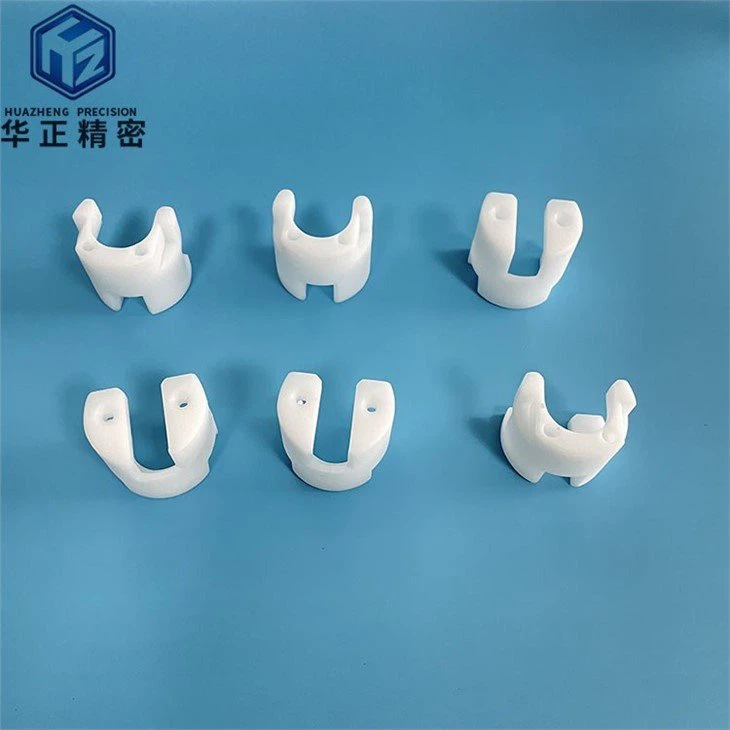
Contact Us for Your Flame - Retardant Plastic Parts Needs
If you are looking for high - quality flame - retardant plastic parts, we are here to help. Our team of experts can work with you to understand your specific requirements and provide customized solutions. Whether you need advice on flame - retardant additive selection, design optimization, or production services, we have the knowledge and experience to meet your needs.
Contact us today to start a discussion about your flame - retardant plastic parts project. We look forward to partnering with you to create safe and reliable plastic products.
References
- “Flame Retardancy of Polymeric Materials.” Edited by Charles A. Wilkie and Gilman, Jeffrey W.
- “Plastics Additives Handbook.” Edited by Hans Zweifel.
- Industry standards and regulations related to flame - retardant plastics, such as UL 94.


