


Automation has become a buzzword in the manufacturing industry, and die casting is no exception. As a die casting supplier, I've witnessed firsthand the transformative power of automation in enhancing efficiency, quality, and overall productivity. In this blog post, I'll share some insights on how to implement automation in die casting production.
Understanding the Basics of Die Casting Automation
Before diving into the implementation process, it's crucial to understand what die casting automation entails. Die casting is a manufacturing process where molten metal is forced into a mold cavity under high pressure. Automation in die casting involves using technology and machinery to perform tasks that were previously done manually, such as mold preparation, metal injection, part ejection, and quality inspection.
The benefits of automation in die casting are numerous. It can significantly reduce labor costs, improve product quality and consistency, increase production speed, and enhance workplace safety. By automating repetitive and potentially dangerous tasks, we can free up our human workforce to focus on more complex and value - added activities.
Assessing Your Current Production Process
The first step in implementing automation is to conduct a thorough assessment of your current die casting production process. Identify the bottlenecks, inefficiencies, and areas where human error is most likely to occur. For example, manual mold cleaning and lubrication can be time - consuming and inconsistent, leading to variations in product quality.
Look at the workflow from raw material intake to the finished product. Analyze the cycle times of each step, the number of operators involved, and the frequency of quality issues. This assessment will help you determine which processes are most suitable for automation.
Selecting the Right Automation Technologies
Once you've identified the areas for automation, it's time to select the appropriate technologies. Here are some common automation technologies used in die casting:
Robotic Systems
Robots are widely used in die casting for tasks such as part handling, mold spraying, and quality inspection. They can work with high precision and repeatability, ensuring consistent results. For instance, a robotic arm can be programmed to pick up finished parts from the die casting machine and place them on a conveyor belt for further processing.
Automated Material Handling Systems
These systems are used to transport raw materials, such as molten metal and die casting alloys, to the die casting machines. They can also handle the movement of finished parts within the production facility. Automated guided vehicles (AGVs) and conveyor belts are examples of material handling systems that can improve the flow of materials and reduce manual labor.
Process Monitoring and Control Systems
These systems use sensors and software to monitor and control the die casting process in real - time. They can detect variations in temperature, pressure, and other critical parameters and make adjustments automatically. This helps to ensure that the die casting process is stable and that the products meet the required quality standards.
Integrating Automation into Your Production Line
Integrating automation technologies into your existing production line requires careful planning and coordination. Here are some steps to follow:
Design the Automation System
Work with automation experts or equipment suppliers to design an automation system that fits your specific production requirements. Consider factors such as the layout of your production facility, the type of die casting machines you use, and the volume of production.
Install and Test the Automation Equipment
Once the design is finalized, install the automation equipment in your production line. Conduct thorough testing to ensure that the equipment is working properly and that it integrates seamlessly with your existing systems. This may involve running test cycles, adjusting the settings, and training your operators on how to use the new equipment.
Train Your Workforce
Automation doesn't mean eliminating human workers. Instead, it requires your workforce to have new skills and knowledge. Provide training to your operators on how to operate, maintain, and troubleshoot the automation equipment. Encourage them to embrace the new technology and involve them in the implementation process.
Ensuring Quality and Safety in Automated Die Casting
Quality and safety are of utmost importance in die casting production. When implementing automation, it's essential to ensure that the automated processes meet the required quality standards and that the workplace is safe for your employees.
Quality Control
Implement a comprehensive quality control system that includes both in - process and final inspections. Use sensors and vision systems to detect defects in real - time and take corrective actions immediately. Regularly calibrate and maintain the automation equipment to ensure its accuracy and reliability.
Safety Measures
Automation equipment can pose potential safety hazards if not properly installed and maintained. Install safety guards, emergency stop buttons, and other safety devices to protect your operators. Provide safety training to your employees on how to work safely around the automation equipment.
Case Studies: Successful Automation in Die Casting
To illustrate the benefits of automation in die casting, let's look at some real - world examples.
One of our clients, a manufacturer of High Pressure Aluminum Alloy Parts, implemented robotic systems for part handling and mold spraying. By doing so, they were able to reduce their cycle times by 30% and improve product quality by eliminating human errors in mold lubrication. This led to a significant increase in production output and customer satisfaction.
Another client, who specializes in Die Casting Aluminum Alloy Parts, installed an automated material handling system. This system improved the flow of materials within their production facility, reducing the time spent on manual material transportation. As a result, they were able to increase their overall production efficiency by 25%.
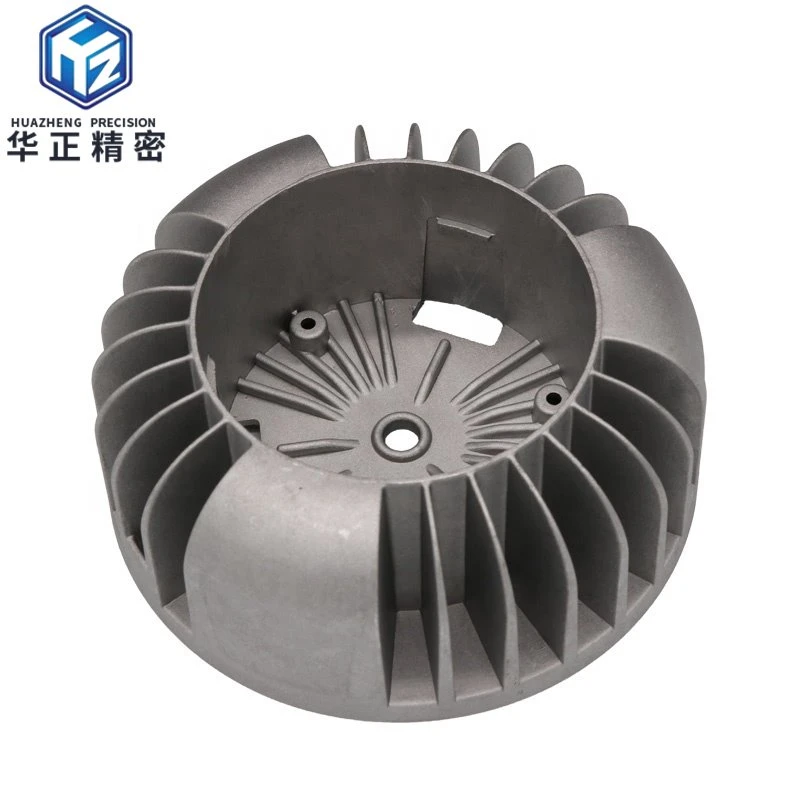
A third client, producing High Precision Aluminium Die Casting Parts, implemented a process monitoring and control system. This system continuously monitored the temperature, pressure, and other critical parameters during the die casting process. By making real - time adjustments, they were able to reduce the number of defective parts by 40%.

Conclusion
Implementing automation in die casting production is a complex but rewarding process. It requires careful planning, the right selection of technologies, and a commitment to quality and safety. By automating the right processes, you can improve your production efficiency, reduce costs, and enhance the quality of your products.
If you're interested in learning more about how automation can benefit your die casting production or if you're looking for a reliable die casting supplier, I encourage you to reach out for a procurement discussion. We have the expertise and experience to help you implement the right automation solutions for your specific needs.
References
- Smith, J. (2020). "Automation in Manufacturing: Trends and Best Practices." Manufacturing Today.
- Johnson, R. (2019). "Die Casting Technology: Advancements and Applications." Die Casting Journal.
- Brown, A. (2021). "Quality Control in Automated Die Casting." Quality Assurance Magazine.


