


As a supplier of 5 Axis Machining Parts, I've witnessed firsthand the incredible versatility and precision that 5 axis machining offers. One of the most critical aspects of this advanced manufacturing process is the choice of materials. The right material can significantly impact the performance, durability, and cost - effectiveness of the final product. In this blog, I'll explore the various materials that can be used for 5 Axis Machining Parts.
Metals
Aluminum
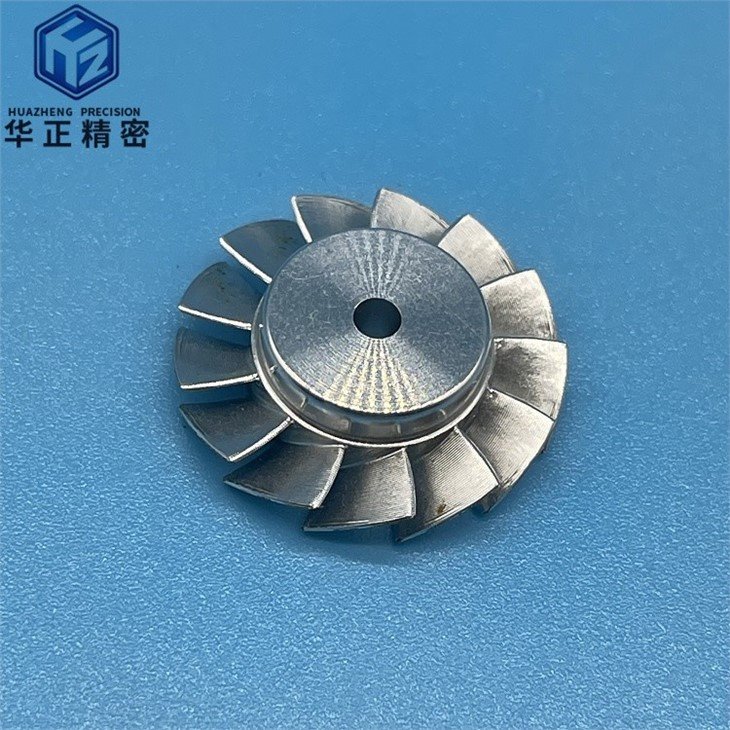
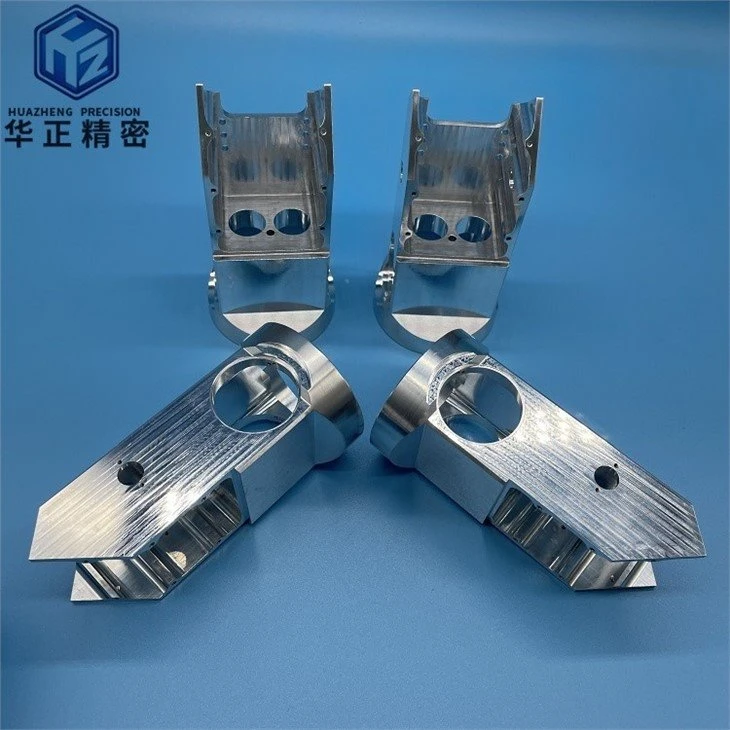
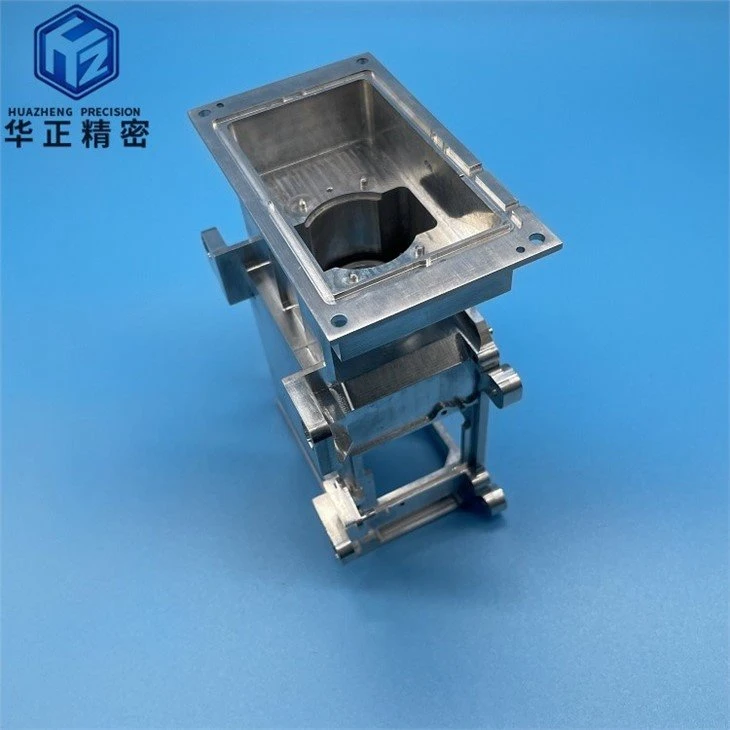
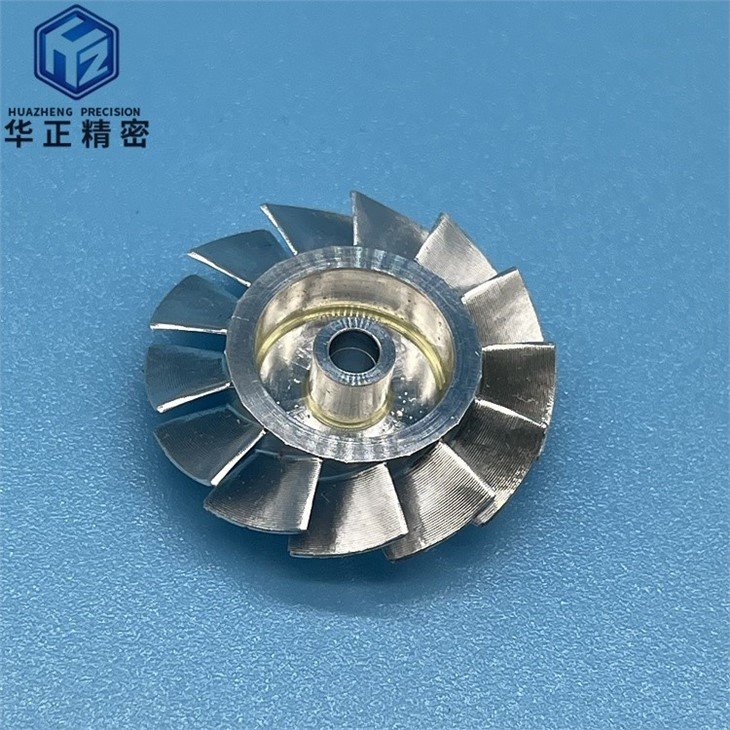
Aluminum is a popular choice for 5 axis machining due to its numerous advantages. It is lightweight, which is crucial in industries such as aerospace and automotive, where reducing weight without sacrificing strength is a top priority. Aluminum also has excellent corrosion resistance, making it suitable for applications in harsh environments. It is highly machinable, meaning it can be easily shaped into complex geometries with high precision. This makes it ideal for creating parts like engine components, aircraft frames, and electronic enclosures. 3 Axis 4Axis 5Axis CNC Machining Parts can often be made from aluminum to take advantage of its properties.
Steel
Steel is a classic material known for its strength and durability. There are different types of steel, each with its own unique characteristics. Carbon steel is cost - effective and offers good strength, making it suitable for general - purpose applications. Stainless steel, on the other hand, has excellent corrosion resistance and is often used in food processing equipment, medical devices, and marine applications. Alloy steels can be engineered to have specific properties such as high hardness, toughness, or heat resistance. 5 Axis Machining can be used to create intricate steel parts with tight tolerances, which are essential in industries like tool and die making and heavy machinery manufacturing.
Titanium
Titanium is a high - performance metal that is widely used in demanding applications. It has an excellent strength - to - weight ratio, even better than that of steel in some cases. Titanium is also highly resistant to corrosion and can withstand high temperatures. These properties make it a top choice for aerospace components, medical implants, and high - end sports equipment. However, titanium is more difficult to machine compared to aluminum and steel. Its high strength and low thermal conductivity can cause excessive tool wear during the machining process. With 5 axis machining, the advanced capabilities of the equipment can help overcome these challenges and produce high - quality titanium parts. 5 Axis Machining Spare Parts made from titanium can provide long - lasting performance in critical applications.
Plastics
Acrylic
Acrylic is a transparent thermoplastic that is well - known for its optical clarity. It is often used in applications where visibility is important, such as display cases, signage, and lighting fixtures. Acrylic is relatively easy to machine using 5 axis machining techniques. It can be cut, drilled, and milled to create precise shapes and smooth surfaces. It also has good chemical resistance and can be polished to a high gloss finish.
Polycarbonate
Polycarbonate is another popular plastic material for 5 axis machining. It is extremely tough and impact - resistant, making it suitable for applications where durability is a concern. Polycarbonate is often used in the automotive industry for headlight lenses, in the electronics industry for protective covers, and in the construction industry for safety glazing. It can be machined to create complex parts with excellent dimensional accuracy.
Nylon
Nylon is a strong and flexible plastic with good wear resistance. It is commonly used in mechanical applications such as gears, bearings, and bushings. Nylon can be easily machined using 5 axis equipment, and it has the ability to absorb shock and vibration. This makes it an ideal material for parts that are subject to dynamic loads.
Composites
Carbon Fiber Reinforced Polymer (CFRP)
CFRP is a composite material that consists of carbon fibers embedded in a polymer matrix. It offers an outstanding strength - to - weight ratio, making it a favorite in the aerospace and automotive industries. CFRP is also highly resistant to fatigue and corrosion. 5 axis machining of CFRP allows for the creation of complex and lightweight parts with high precision. However, machining CFRP requires special tools and techniques due to the abrasive nature of the carbon fibers.
Glass Fiber Reinforced Polymer (GFRP)
GFRP is a more cost - effective alternative to CFRP. It has good strength and stiffness, and it is also resistant to corrosion. GFRP is commonly used in applications such as boat hulls, automotive body panels, and industrial equipment enclosures. 5 axis machining can be used to shape GFRP into complex forms, taking advantage of its versatility.
Ceramics
Ceramics are known for their high hardness, wear resistance, and heat resistance. They are used in applications where extreme conditions are present, such as in cutting tools, aerospace engine components, and electronic substrates. Machining ceramics using 5 axis equipment is a challenging task due to their brittleness. However, with the right machining parameters and tools, it is possible to produce high - quality ceramic parts with complex geometries. High Precision 5 - Axis Spare Parts made from ceramics can provide superior performance in demanding environments.
Choosing the Right Material
When selecting a material for 5 axis machining parts, several factors need to be considered. Firstly, the intended application of the part is crucial. If the part will be used in a high - temperature environment, materials like titanium or ceramics may be more suitable. If weight reduction is a priority, aluminum or CFRP could be the choice.
Secondly, cost is an important factor. Some materials, such as titanium and CFRP, are more expensive than others. Balancing the performance requirements of the part with the cost of the material is essential to ensure cost - effectiveness.
Thirdly, the machinability of the material needs to be taken into account. Some materials are more difficult to machine than others, which can affect the production time and cost. For example, machining ceramics requires more specialized tools and slower cutting speeds compared to aluminum.
Conclusion
In conclusion, a wide range of materials can be used for 5 axis machining parts, each with its own unique properties and applications. As a supplier of 5 Axis Machining Parts, I understand the importance of choosing the right material for each project. Whether it's a lightweight aluminum part for an aircraft, a high - strength steel component for heavy machinery, or a precision - machined ceramic part for a high - tech application, we have the expertise and capabilities to handle different materials and produce high - quality parts.
If you are in need of 5 Axis Machining Parts and are interested in discussing the best material options for your specific requirements, please feel free to contact us. We are ready to assist you in finding the optimal solution for your project and look forward to the opportunity to work with you on your procurement needs.
References
- Kalpakjian, S., & Schmid, S. R. (2013). Manufacturing Engineering and Technology. Pearson.
- Dieter, G. E., & Schmidt, L. C. (2008). Mechanical Metallurgy. McGraw - Hill.
- ASM Handbook Committee. (2008). ASM Handbook, Volume 2: Properties and Selection: Nonferrous Alloys and Special - Purpose Materials. ASM International.


