


Hey there! As a supplier of CNC Aluminium Parts, I often get asked about the thermal conductivity properties of these parts. So, I thought I'd write a blog post to share some insights on this topic.
First off, let's talk about what thermal conductivity is. In simple terms, thermal conductivity is the ability of a material to conduct heat. When it comes to CNC aluminium parts, their thermal conductivity is one of their key selling points. Aluminium is known for its excellent thermal conductivity, which means it can transfer heat quickly and efficiently.
The thermal conductivity of aluminium is quite high compared to many other metals. Pure aluminium has a thermal conductivity of around 237 W/(m·K) at room temperature. This high thermal conductivity makes aluminium a great choice for applications where heat dissipation is crucial. For example, in electronic devices, CNC aluminium parts can be used as heat sinks to draw heat away from sensitive components and prevent overheating.
One of the reasons why aluminium has such good thermal conductivity is its atomic structure. Aluminium atoms are arranged in a face - centered cubic lattice. This structure allows for efficient movement of heat - carrying phonons (quantized lattice vibrations) and electrons. The free electrons in aluminium can easily transfer energy in the form of heat, contributing to its high thermal conductivity.

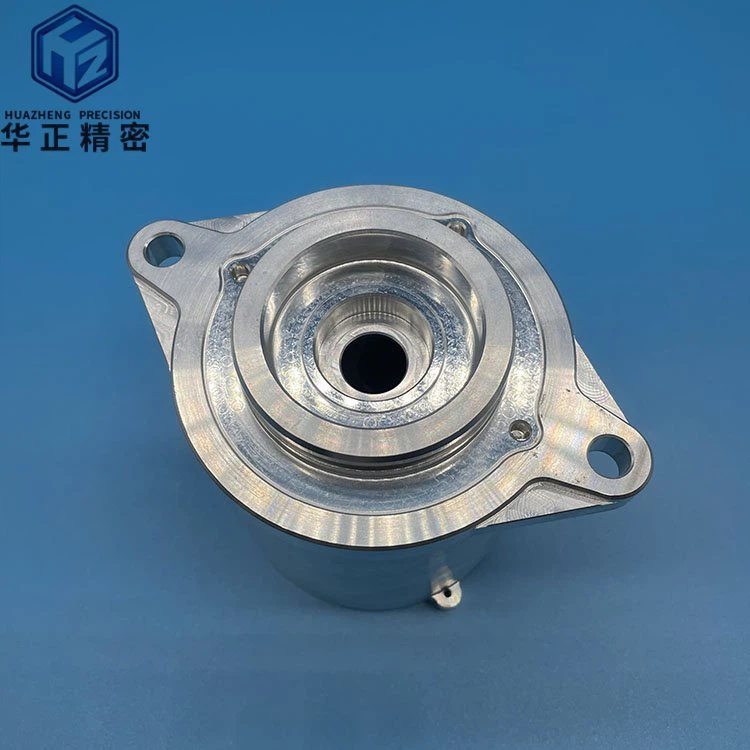
Now, let's look at how this property benefits different industries. In the automotive industry, High Precision Aluminium CNC Machining Car Parts can take advantage of aluminium's thermal conductivity. Engine components, such as cylinder heads and radiators, need to dissipate heat effectively. Using CNC aluminium parts in these applications helps to keep the engine cool, improving its performance and longevity. The high - precision machining ensures that the parts fit perfectly, maximizing the heat transfer efficiency.
In the electronics industry, CNC Milling Aluminium Parts are widely used. For instance, in laptops and smartphones, aluminium heat sinks are used to cool the processors. The high thermal conductivity of aluminium allows the heat generated by the processor to be quickly transferred to the heat sink and then dissipated into the surrounding environment. This helps to maintain the optimal operating temperature of the device, preventing slowdowns and potential damage due to overheating.
In the industrial equipment sector, CNC Machining Industrial Equipment Components made from aluminium are also highly beneficial. Industrial machinery often generates a large amount of heat during operation. Aluminium components can be used to create cooling systems that effectively manage this heat. For example, in large - scale manufacturing equipment, aluminium heat exchangers can transfer heat from hot fluids to cooler ones, ensuring that the machinery operates within a safe temperature range.
Another factor to consider is that the thermal conductivity of CNC aluminium parts can be further enhanced through various treatments. For example, anodizing can improve the surface properties of aluminium parts. Although anodizing itself is an insulating process to some extent, it can be optimized to ensure that the overall thermal performance of the part is not significantly affected. Additionally, proper machining techniques can also play a role. By ensuring a smooth surface finish and precise dimensions, the contact between the aluminium part and other components can be improved, which in turn enhances the heat transfer efficiency.
However, it's important to note that the thermal conductivity of aluminium can be affected by impurities and alloying elements. When aluminium is alloyed with other metals, such as copper, magnesium, or silicon, the thermal conductivity may change. For example, some aluminium - copper alloys are used for their high strength, but the addition of copper can slightly reduce the thermal conductivity compared to pure aluminium. As a supplier, we carefully select the alloys based on the specific requirements of the application. If high thermal conductivity is the top priority, we may recommend using alloys with a lower content of elements that reduce thermal conductivity.
In addition to the alloy composition, the manufacturing process also matters. CNC machining allows for high - precision control over the shape and dimensions of the aluminium parts. This precision is crucial for ensuring good thermal contact between the part and other components in the system. A poorly machined part may have gaps or uneven surfaces, which can impede heat transfer. With our advanced CNC machining technology, we can produce parts with tight tolerances, ensuring optimal thermal performance.
So, if you're in the market for CNC aluminium parts and need components with excellent thermal conductivity, we've got you covered. Whether you're in the automotive, electronics, or industrial equipment industry, our parts are designed to meet your specific needs. We have a team of experts who can help you select the right alloy and machining process to ensure that the thermal conductivity of the parts is optimized for your application.
If you're interested in learning more about our CNC aluminium parts or want to discuss a potential project, don't hesitate to reach out. We're always happy to have a chat and see how we can work together to provide you with high - quality parts that meet your thermal conductivity requirements.
References
- Incropera, F. P., DeWitt, D. P., Bergman, T. L., & Lavine, A. S. (2007). Fundamentals of Heat and Mass Transfer. Wiley.
- Callister, W. D., & Rethwisch, D. G. (2010). Materials Science and Engineering: An Introduction. Wiley.


