


What are the acoustic properties of CNC machined copper hardware?
As a leading supplier of CNC Machined Copper Hardware, I've had the privilege of exploring the intricate relationship between copper and acoustics. Copper, with its unique atomic structure and physical properties, has long been a material of choice in various industries, and its acoustic characteristics are no exception. In this blog, we'll delve into the acoustic properties of CNC machined copper hardware, exploring how these properties influence its applications and why it stands out in the world of sound.
Understanding the Basics of Acoustics and Copper
Before we dive into the specific acoustic properties of CNC machined copper hardware, it's essential to understand the fundamentals of acoustics. Sound is a mechanical wave that travels through a medium, such as air, water, or solid materials. The way a material responds to these waves determines its acoustic properties. These properties include factors like sound absorption, sound transmission, and sound reflection.
Copper, a highly conductive metal, has a dense atomic structure that allows it to interact with sound waves in a unique way. When a sound wave hits a copper surface, several things can happen. Some of the sound energy is reflected back, some is absorbed by the material, and some is transmitted through it. The balance between these three processes depends on various factors, including the frequency of the sound wave, the thickness and shape of the copper hardware, and the surface finish.
Sound Absorption in CNC Machined Copper Hardware
Sound absorption is the ability of a material to convert sound energy into heat energy. In the context of CNC machined copper hardware, sound absorption plays a crucial role in applications where noise reduction is essential. For example, in the automotive industry, copper parts can be used to dampen vibrations and reduce noise levels inside the vehicle.
The sound absorption properties of copper are influenced by its density and internal structure. Copper's high density allows it to absorb a significant amount of sound energy, especially at higher frequencies. Additionally, the internal structure of copper, which consists of a lattice of atoms, can scatter sound waves, further enhancing its absorption capabilities.
CNC machining can also have an impact on the sound absorption properties of copper hardware. By creating precise shapes and textures on the surface of the copper, CNC machining can increase the surface area available for sound absorption. For example, a CNC machined copper part with a porous or textured surface will have a higher sound absorption coefficient than a smooth, flat surface.
Sound Transmission in CNC Machined Copper Hardware
Sound transmission refers to the ability of a material to allow sound waves to pass through it. In some applications, such as audio equipment, it's desirable to have a material that can transmit sound efficiently without significant loss or distortion. Copper, with its high conductivity and low internal resistance, is an excellent material for sound transmission.
When a sound wave travels through a copper material, it causes the atoms in the material to vibrate. These vibrations are then transmitted through the material in the form of a mechanical wave. The high conductivity of copper allows these vibrations to travel quickly and efficiently, resulting in minimal loss of sound energy.

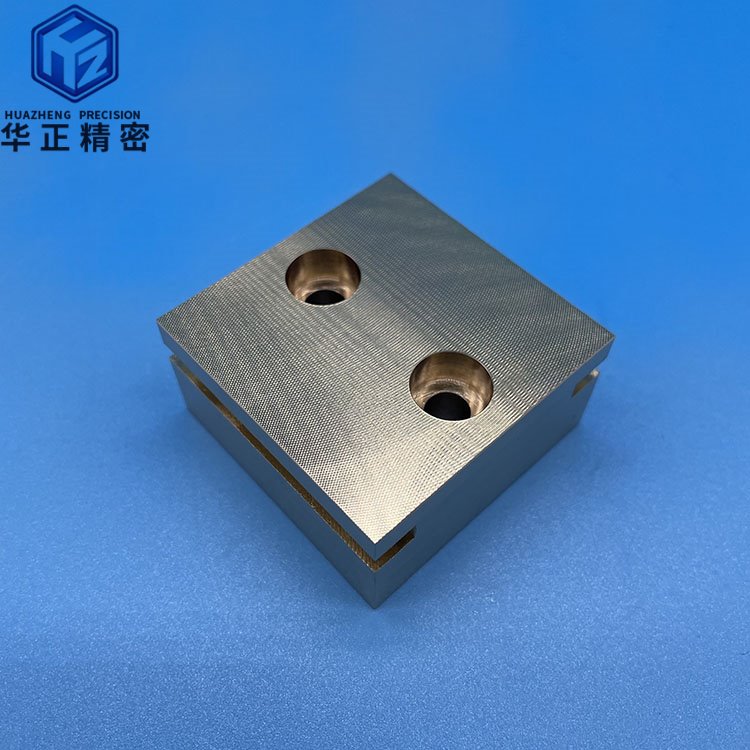
CNC machining can be used to optimize the sound transmission properties of copper hardware. By controlling the thickness and shape of the copper part, CNC machining can ensure that the sound waves are transmitted in a controlled and predictable manner. For example, a CNC machined copper tube can be designed to have a specific internal diameter and wall thickness to optimize the transmission of sound waves at a particular frequency.
Sound Reflection in CNC Machined Copper Hardware
Sound reflection occurs when a sound wave hits a surface and bounces back. In some applications, such as architectural acoustics, sound reflection can be used to control the distribution of sound in a space. Copper, with its smooth and reflective surface, is an excellent material for sound reflection.
The sound reflection properties of copper are influenced by its surface finish and the angle of incidence of the sound wave. A smooth, polished copper surface will reflect more sound energy than a rough or textured surface. Additionally, the angle at which the sound wave hits the copper surface will determine the direction in which the reflected sound wave travels.
CNC machining can be used to create precise and complex shapes on the surface of copper hardware, which can be used to control the reflection of sound waves. For example, a CNC machined copper panel with a curved or angled surface can be used to direct sound waves in a specific direction, enhancing the acoustics of a room.
Applications of CNC Machined Copper Hardware in Acoustics
The unique acoustic properties of CNC machined copper hardware make it suitable for a wide range of applications in the field of acoustics. Some of the most common applications include:
- Audio Equipment: Copper is widely used in audio equipment, such as speakers, amplifiers, and microphones, due to its excellent sound transmission and conductivity properties. CNC machined copper parts can be used to optimize the performance of these devices by ensuring that the sound waves are transmitted and amplified efficiently.
- Automotive Industry: In the automotive industry, copper parts are used to reduce noise and vibration levels inside the vehicle. CNC machined copper components, such as engine mounts, exhaust systems, and suspension parts, can be designed to absorb and dampen vibrations, resulting in a quieter and more comfortable driving experience.
- Architectural Acoustics: Copper is also used in architectural acoustics to control the distribution of sound in a space. CNC machined copper panels, diffusers, and reflectors can be used to enhance the acoustics of a room, such as a concert hall, theater, or recording studio.
- Industrial Machinery: In industrial machinery, copper parts are used to reduce noise and vibration levels, improving the working environment and reducing the risk of equipment damage. CNC machined copper components, such as gears, bearings, and couplings, can be designed to have specific acoustic properties to meet the requirements of the application.
Conclusion
In conclusion, the acoustic properties of CNC machined copper hardware make it a versatile and valuable material in the field of acoustics. Its ability to absorb, transmit, and reflect sound waves, combined with the precision and flexibility of CNC machining, make it suitable for a wide range of applications in various industries.
If you're interested in learning more about our CNC Machined Copper Hardware or our other Machined Copper Spare Part and Machined Brass Car Parts, please don't hesitate to contact us. We'd be happy to discuss your specific requirements and provide you with a customized solution.
References
- Beranek, Leo L. "Acoustics." American Institute of Physics, 1986.
- Kinsler, Lawrence E., et al. "Fundamentals of Acoustics." Wiley, 2000.
- Mechel, F. P. "Formulas of Acoustics." Springer, 2008.


