


As a supplier of CNC Machining PEEK Parts, I understand the crucial role that optimizing cutting parameters plays in achieving high-quality results. PEEK (Polyether Ether Ketone) is a high-performance thermoplastic known for its excellent mechanical properties, chemical resistance, and thermal stability. However, machining PEEK can be challenging due to its high melting point and tendency to generate heat during cutting. In this blog post, I will share some insights and tips on how to optimize the cutting parameters for CNC machining PEEK parts.

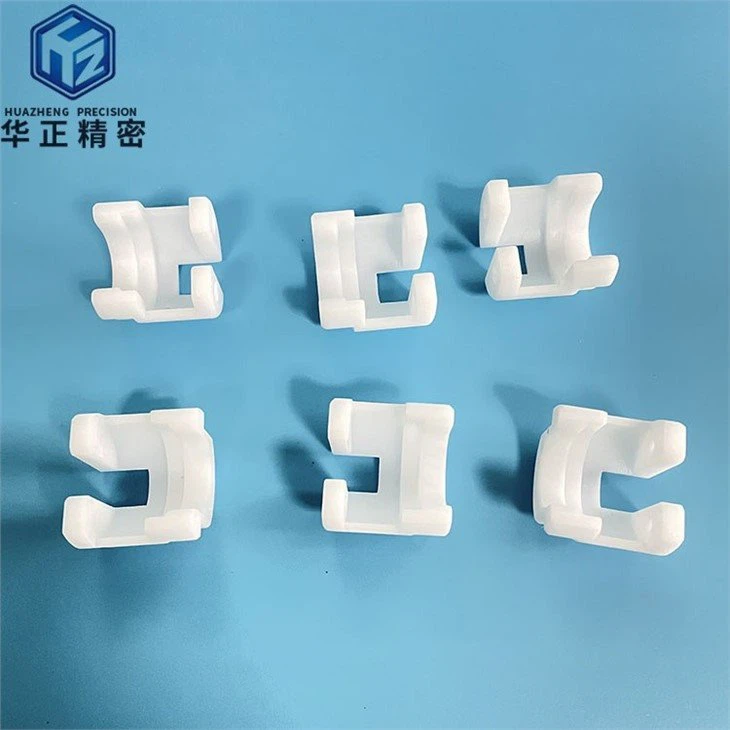
Understanding the Basics of CNC Machining PEEK
Before delving into the optimization of cutting parameters, it is essential to have a basic understanding of CNC machining PEEK. CNC (Computer Numerical Control) machining is a manufacturing process that uses pre-programmed computer software to control the movement of machine tools. This technology allows for precise and repeatable machining of complex parts.
When machining PEEK, several factors need to be considered, including the type of PEEK material, the geometry of the part, the cutting tools used, and the cutting parameters. The cutting parameters include cutting speed, feed rate, depth of cut, and coolant usage. These parameters directly affect the quality of the machined part, the tool life, and the overall machining efficiency.
Selecting the Right Cutting Tools
The choice of cutting tools is crucial for successful CNC machining of PEEK parts. High-speed steel (HSS) and carbide tools are commonly used for machining PEEK. Carbide tools are generally preferred due to their higher hardness, wear resistance, and heat resistance. Coated carbide tools, such as those coated with titanium nitride (TiN) or titanium aluminum nitride (TiAlN), can further improve the tool life and cutting performance.
When selecting cutting tools, consider the following factors:
- Tool geometry: The geometry of the cutting tool, such as the rake angle, clearance angle, and cutting edge radius, can significantly affect the cutting forces and chip formation. For machining PEEK, tools with a positive rake angle and a sharp cutting edge are recommended to reduce cutting forces and improve chip evacuation.
- Tool diameter: The tool diameter should be selected based on the size and geometry of the part. Smaller diameter tools are suitable for machining intricate features, while larger diameter tools can be used for roughing operations.
- Tool material: As mentioned earlier, carbide tools are generally preferred for machining PEEK. However, the specific type of carbide and coating should be selected based on the machining conditions and the requirements of the part.
Optimizing Cutting Speed
The cutting speed is the speed at which the cutting tool moves relative to the workpiece. It is typically measured in surface feet per minute (SFM) or meters per minute (m/min). The optimal cutting speed for machining PEEK depends on several factors, including the type of PEEK material, the cutting tool material, and the tool diameter.
In general, a higher cutting speed can result in faster machining times and better surface finish. However, if the cutting speed is too high, it can lead to excessive tool wear, heat generation, and poor chip formation. On the other hand, if the cutting speed is too low, it can result in longer machining times and lower productivity.
To optimize the cutting speed for machining PEEK, start with the manufacturer's recommended cutting speed for the specific cutting tool and PEEK material. Then, conduct some test cuts to determine the optimal cutting speed based on the quality of the machined part, the tool life, and the machining efficiency. It is also important to monitor the cutting forces and the temperature of the cutting tool during machining to ensure that the cutting speed is within the acceptable range.
Adjusting the Feed Rate
The feed rate is the rate at which the cutting tool advances into the workpiece. It is typically measured in inches per revolution (IPR) or millimeters per revolution (mm/rev). The feed rate directly affects the material removal rate, the surface finish, and the cutting forces.
A higher feed rate can increase the material removal rate and improve the machining efficiency. However, if the feed rate is too high, it can lead to poor surface finish, excessive tool wear, and even tool breakage. On the other hand, if the feed rate is too low, it can result in longer machining times and lower productivity.
To optimize the feed rate for machining PEEK, consider the following factors:
- Cutting tool geometry: The feed rate should be adjusted based on the geometry of the cutting tool. For example, tools with a larger cutting edge radius may require a lower feed rate to avoid excessive cutting forces.
- Material properties: The feed rate should also be adjusted based on the properties of the PEEK material. For example, PEEK materials with a higher glass fiber content may require a lower feed rate to avoid tool wear and damage.
- Surface finish requirements: If a high surface finish is required, a lower feed rate may be necessary to reduce the roughness of the machined surface.
Controlling the Depth of Cut
The depth of cut is the distance that the cutting tool penetrates into the workpiece during each pass. It is typically measured in inches or millimeters. The depth of cut affects the material removal rate, the cutting forces, and the tool life.
A larger depth of cut can increase the material removal rate and improve the machining efficiency. However, if the depth of cut is too large, it can lead to excessive cutting forces, tool wear, and poor surface finish. On the other hand, if the depth of cut is too small, it can result in longer machining times and lower productivity.
To optimize the depth of cut for machining PEEK, consider the following factors:
- Tool strength: The depth of cut should be limited to avoid overloading the cutting tool. The tool manufacturer's recommendations should be followed to ensure that the tool is not damaged during machining.
- Workpiece geometry: The depth of cut should be adjusted based on the geometry of the part. For example, when machining thin-walled parts, a smaller depth of cut may be necessary to avoid deformation.
- Cutting forces: The cutting forces should be monitored during machining to ensure that they are within the acceptable range. If the cutting forces are too high, the depth of cut may need to be reduced.
Using Coolant
Coolant is an important factor in CNC machining PEEK parts. Coolant helps to reduce the temperature of the cutting tool and the workpiece, improve chip evacuation, and extend the tool life. There are several types of coolant available, including water-based coolants, oil-based coolants, and synthetic coolants.
When using coolant for machining PEEK, consider the following factors:
- Coolant type: The type of coolant should be selected based on the machining conditions and the requirements of the part. Water-based coolants are generally preferred due to their low cost, good cooling properties, and environmental friendliness.
- Coolant concentration: The concentration of the coolant should be adjusted based on the manufacturer's recommendations. A higher concentration of coolant can provide better cooling and lubrication, but it can also increase the cost and the risk of corrosion.
- Coolant flow rate: The coolant flow rate should be sufficient to ensure that the cutting tool and the workpiece are adequately cooled. The coolant should be directed at the cutting zone to effectively remove heat and chips.
Conducting Test Cuts and Monitoring the Process
Once the cutting parameters have been selected, it is important to conduct test cuts to verify the effectiveness of the parameters. Test cuts allow you to evaluate the quality of the machined part, the tool life, and the machining efficiency. Based on the results of the test cuts, you can make adjustments to the cutting parameters as needed.
During the machining process, it is also important to monitor the cutting forces, the temperature of the cutting tool, and the surface finish of the machined part. This can help you detect any potential problems early and make necessary adjustments to the cutting parameters or the machining process.
Conclusion
Optimizing the cutting parameters for CNC machining PEEK parts is a complex process that requires a thorough understanding of the material, the cutting tools, and the machining process. By selecting the right cutting tools, optimizing the cutting speed, feed rate, depth of cut, and using coolant effectively, you can achieve high-quality machined parts, extend the tool life, and improve the overall machining efficiency.
If you are interested in CNC Machining Plastic Parts Service or CNC Machining Plastic Auto Parts, please feel free to contact us for more information. We are a professional supplier of CNC machining PEEK parts and can provide you with high-quality products and services.
References
- Kalpakjian, S., & Schmid, S. R. (2010). Manufacturing Engineering and Technology. Pearson Prentice Hall.
- Trent, E. M., & Wright, P. K. (2000). Metal Cutting. Butterworth-Heinemann.
- Woxenius, J., & Rånby, B. (2004). Polymeric Materials: Structure, Properties, and Applications. Marcel Dekker.


