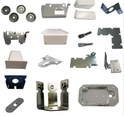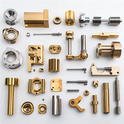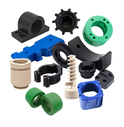

Aluminum alloy CNC machining, also known as computer gong machining or CNC machine tool machining, mainly processes aluminum parts, aluminum shells, and other aspects. In recent years, with the rise of mobile phones, computers, chargers, and automotive components, there have been requirements for improving the processing accuracy of aluminum parts. However, the other party has made a leap in the quality of aluminum alloy CNC processing technology, achieving large-scale and high-precision production of aluminum alloys. Next, the editor of Shenzhen Noble will provide you with a detailed introduction to the advantages of CNC machining of aluminum alloys.
CNC machining principle of aluminum alloy:
The principle of aluminum alloy CNC machining is to use an automatic control system to install digital program flow commands to control the automatic start and stop of CNC machine tool bearings. CNC blades can be selected based on the CNC blades, changing the cutting amount and walking trajectory, and completing various auxiliary actions required for lifelong machining.
Advantages of CNC machining of aluminum alloy:
1. Aluminum alloy CNC machining can significantly reduce the total number of fixtures and produce parts with complex processing styles, requiring only changes in processing technology.
2. Aluminum alloy CNC machining is relatively stable and will not cause manual machining deviation, resulting in different types of aluminum alloys and even defective products.
3. Aluminum alloy CNC machining can produce complex aluminum parts, and even process parts. It can also produce a variety of varieties, with high production efficiency, saving labor costs, and achieving diversified production.
3、 CNC machining characteristics of aluminum alloy:
Low hardness of aluminum alloy
Compared to titanium alloys and quenched steel, aluminum alloys have lower hardness, and of course, heat treated or die cast aluminum alloys also have higher hardness. The HRC hardness of general aluminum plates is generally below HRC40 degrees. Therefore, in the case of processing aluminum alloy, the load of the tool is small. In addition, aluminum alloy has excellent thermal conductivity, so the cutting temperature of aluminum alloy milling is low, which can improve milling speed.
Low plasticity of aluminum alloy
Aluminum alloy has low plasticity and low melting point. When processing aluminum alloys, there are deep edge issues, poor chip removal performance, and high surface roughness. In fact, the main reason for processing aluminum alloy is that the effect of cutting and roughness is not good. If the two issues of fixed blade and machined surface quality are solved, the problem of aluminum alloy machining can be solved.
Tools are prone to wear and tear
Due to the use of unsuitable tool materials, there are more cases of accelerated tool wear during the processing of aluminum alloy due to issues such as rod edges and chip discharge.